How an Ankle Foot Orthosis Can Support Foot Drop Management
Foot drop makes a simple thing like walking across a room feel unsafe. The front of the foot drags or flops instead of lifting properly with each step. It is not rare either. ankle foot orthosis for foot drop management is one of the most common tools used to manage this condition safely. It lifts the foot at the right moment in each step and lowers the risk of tripping. This guide explains how it works and who tends to need one.
What Actually Causes Foot Drop?
Foot drop happens when the nerves controlling the muscles that lift the foot stop working properly. Stroke, nerve injury, spine problems, and conditions like multiple sclerosis are common causes. One clinical review looking at over 1,000 patients found that 13.9% developed foot drop after lumbosacral spine surgery, showing just how often spine issues sit behind this problem.
How Does an Ankle Foot Orthosis Help With Walking?
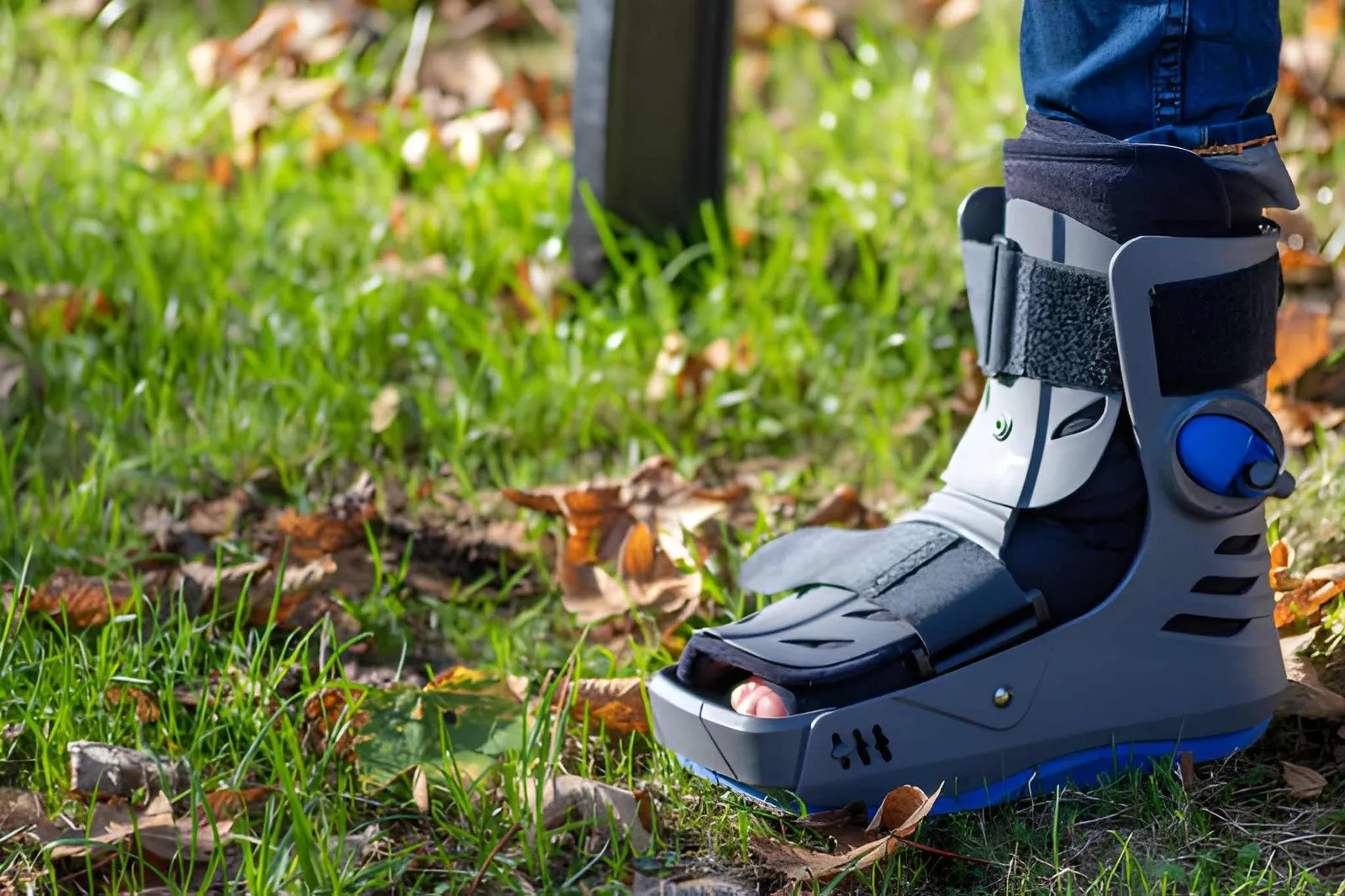
The device sits along the back or side of the lower leg and slips into a shoe. It holds the foot at a safer angle so the toes clear the ground during each step. Without that support, the foot catches on the ground, which is exactly what causes trips and falls.
Who Typically Needs This Kind of Support?
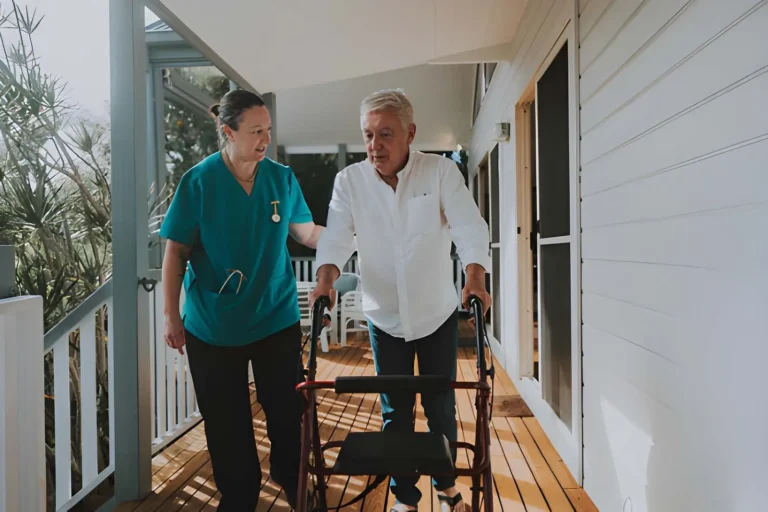
Stroke survivors make up a large share of users, since nerve damage from stroke very often affects the lower leg first. People with multiple sclerosis, cerebral palsy, or nerve injuries from surgery or trauma also rely on this support to walk with more confidence and less fear of falling.
Are These Devices Custom Made or Off the Shelf?
Both options exist. Off the shelf versions suit milder cases and cost less upfront. Custom made versions are moulded to a person’s exact leg shape and gait pattern, which usually gives better control for more severe or long term foot drop cases. A clinician assessment decides which path fits best.
Can Wearing One Improve Long Term Walking Ability?
Yes, consistent use often improves walking speed and reduces the number of falls over time. It also reduces the extra effort the hip and knee have to make to compensate for a foot that will not lift on its own, which lowers fatigue across a full day on your feet.
How Long Does It Take to Get Used to Wearing One?
Most people need a short adjustment period, often a couple of weeks, to get used to the feel and the shoe fit. Starting with short walks around the house before longer outdoor trips helps the leg and the skin adjust without soreness or rubbing.
What Should You Ask a Clinician Before Getting Fitted?
Ask whether custom or off the shelf suits your specific cause of foot drop. Ask about shoe compatibility, since some devices need a slightly wider or deeper shoe to fit properly. And ask how often the device should be reviewed, since a growing child or a changing condition may need adjustments over time.