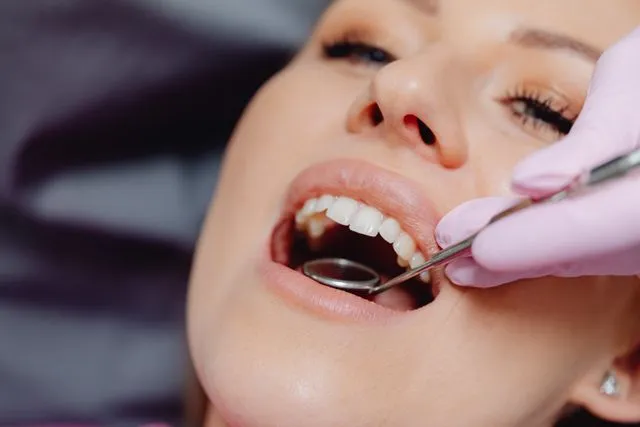
The Technology Behind Modern Day Dental Implants
What if you could replace a missing tooth with something that functions and feels almost identical to a natural one? Dental implants represent one of the most significant advances in restorative dentistry, combining materials science, biomechanics, and surgical precision to create a long-lasting solution for tooth loss. Unlike removable dentures or bridges, implants integrate directly with the jawbone, providing stability and comfort that closely mimics natural teeth. Understanding the technology behind these devices helps patients make informed decisions about their oral health and appreciate the engineering that makes modern tooth replacement possible.
How Dental Implant Components Work Together
A dental implant is not a single device but rather a carefully engineered system consisting of three main components that work in harmony. The implant body, typically made of titanium, is surgically placed into the jawbone where it acts as an artificial tooth root. Above the bone, an abutment serves as a connector piece that links the implant body to the visible restoration. Finally, the crown or prosthetic tooth sits on top of the abutment and is what patients see and use when chewing and speaking. Each component must meet precise specifications to ensure the entire system functions properly and lasts for decades.
The titanium used in implant bodies is chosen specifically for its biocompatibility and strength. This metal integrates with bone tissue through a process called osseointegration, where bone cells grow directly onto the implant surface. This biological bond creates a stable foundation that can bear the significant forces generated during chewing, which can exceed 200 pounds per square inch in some cases. The surface of the implant is often textured or treated to encourage faster and stronger bone integration. Without this secure connection to the jawbone, the implant would fail regardless of how well the crown is constructed.
The Osseointegration Process and Timeline
Osseointegration is the biological marvel that makes dental implants successful, yet it requires patience and proper timing during the treatment process. When an implant is first placed in the jawbone, it sits in the bone but is not yet integrated with the living tissue. Over the following weeks and months, bone cells gradually grow onto the implant surface, creating a bond that strengthens over time. This process typically takes between three and six months, though individual healing rates vary based on bone quality, overall health, and whether bone grafting was necessary. Some patients with excellent bone density may achieve integration faster, while others with softer bone may need additional time.
During the osseointegration period, patients must follow specific care instructions to avoid disturbing the implant. Excessive pressure or movement at the implant site during healing can prevent proper bone integration and cause the implant to fail. This is why dentists often recommend avoiding chewing in that area and following a soft diet for the initial healing phase. Only after the bone has fully integrated with the implant can the crown be attached and full function restored. This staged approach, though requiring patience, ensures the highest success rates and the longest implant lifespan.
Modern Imaging and Planning Technology
Today’s dental implant treatment relies heavily on advanced imaging and computer-aided design to maximize precision and outcomes. Cone beam computed tomography (CBCT) provides three-dimensional images of the jaw that allow dentists to assess bone volume, density, and anatomy with exceptional accuracy. This imaging technology reveals the exact location of nerves and sinuses, which is critical information that helps surgeons plan implant placement and avoid complications. Computer software can create a virtual implant placement before the surgery even begins, showing the dentist and patient exactly where the implant will be positioned. This level of planning was impossible just two decades ago and has dramatically improved the predictability of implant success.
Digital smile design tools also allow patients to see a preview of how their final result will look before treatment begins. These visualization techniques help dentists and patients communicate clearly about aesthetic goals and expectations. Some advanced centers now use guided surgery systems in which the surgical drill follows a predetermined path based on the digital plan, further reducing variability and improving accuracy. The combination of imaging technology and guided surgical techniques represents the current frontier of modern implantology, offering patients a level of procedural predictability that was not previously achievable.
Materials Innovation and Biocompatibility
The materials science behind dental implants continues to evolve, with researchers constantly seeking ways to improve integration, durability, and aesthetic outcomes. While titanium remains the gold standard for implant bodies because of its proven track record spanning decades, zirconium dioxide has emerged as an alternative material that offers superior aesthetic properties. Zirconium is white rather than metallic gray, making it preferable for patients with thin gum tissue where the implant body might be visible. However, titanium’s long history of clinical success and lower cost mean it remains the most commonly used implant material worldwide.
The surfaces of implants have also undergone significant innovation, moving from smooth machined surfaces to textured and chemically treated surfaces. Techniques such as sandblasting, acid etching, and plasma spraying create microscopic roughness that encourages bone cells to adhere more readily and integrate faster. Some manufacturers apply bioactive coatings that release elements like calcium and phosphate to further enhance bone integration. These surface modifications have increased implant success rates and reduced integration time, making treatment faster and more reliable than earlier generations of the technology.
Prosthetic Options and Customization
The crown or prosthetic tooth attached to an implant has its own set of technological considerations and material choices. All-ceramic crowns provide excellent aesthetics and strength, making them the preferred choice for visible front teeth. Porcelain-fused-to-metal crowns offer a balance of strength and appearance, making them popular for back teeth where chewing forces are greatest. The abutment connecting the implant to the crown can be made of titanium, zirconium, or custom-fabricated gold alloy, each offering different advantages in terms of strength and appearance.
Digital dentistry has transformed the fabrication of implant crowns, with many laboratories now using computer-aided design and milling machines to create precisely fitting restorations. Intraoral scanning eliminates the need for traditional impression materials, providing digital models with exceptional accuracy. This technology reduces the number of adjustment appointments and helps ensure crowns fit properly on the first try more often than in the past. Some practices now use same-day crown milling technology that allows crowns to be milled and placed during a single appointment. Patients who want to experience these modern digital workflows can turn to dental implants in Chino Hills to access precision-guided restorations using the latest fabrication techniques.
Conclusion
Modern dental implants represent the convergence of multiple technological advances in materials science, imaging, surgical technique, and prosthodontics. From the biocompatible titanium body that integrates with bone through osseointegration to the precisely planned surgical placement guided by three-dimensional imaging, every aspect of implant dentistry has been refined through decades of research and clinical experience. The crown and abutment components offer numerous material choices designed to restore both function and appearance. As technology continues to advance, implant success rates remain high, treatment times continue to shorten, and patient outcomes continue to improve. For patients facing tooth loss, understanding this sophisticated technology can provide confidence that they are choosing a restoration method backed by both scientific evidence and continuous innovation.