Why Does Your Body Feel Stiff After Sitting All Day? Here’s Why
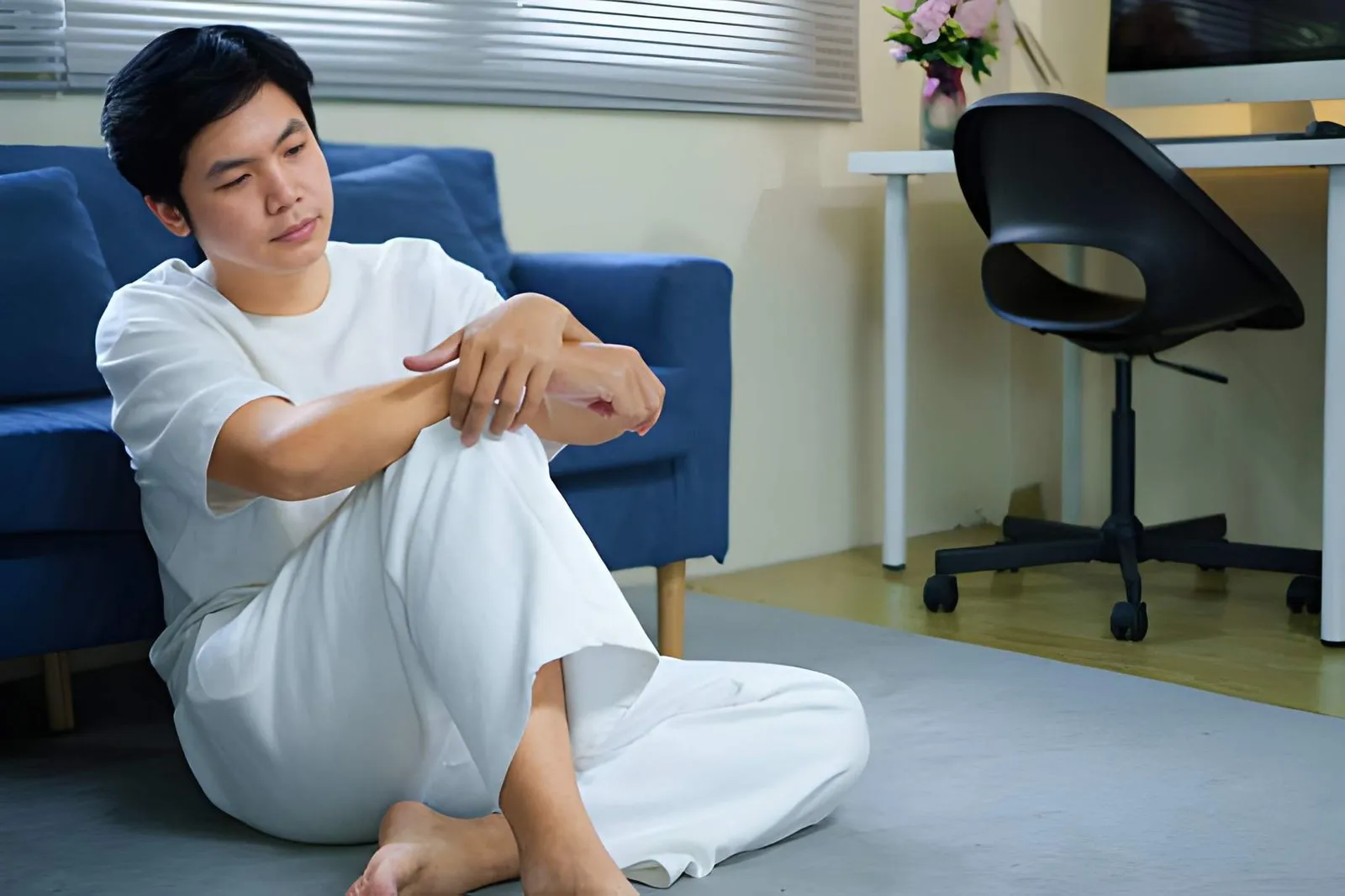
If you spend hours sitting at a desk, commuting, or relaxing on the couch, you may notice stiffness in your neck, shoulders, back, hips, or legs by the end of the day. While sitting seems restful, staying in one position for too long can place your muscles and joints under constant strain. Understanding why this happens can help you make simple changes that keep your body moving comfortably.
How Sitting All Day Causes Muscle Stiffness
The human body is designed to move regularly, not remain in one position for hours. When you sit for a prolonged period, certain muscles stay shortened while others remain stretched or inactive. Over time, this imbalance can make normal movement feel uncomfortable, especially when you finally stand up after a long stretch of sitting.
Long periods of sitting can also reduce how often your joints move through their full range of motion. Your hips, knees, ankles, and spine may spend hours in relatively fixed positions. As a result, the first few movements after standing can feel tight or restricted.
Stiffness does not necessarily mean that something is seriously wrong. In many cases, it is your body’s response to prolonged inactivity and sustained positioning. However, persistent or worsening stiffness may deserve professional attention, particularly if it interferes with everyday activities.
The Connection Between Posture and Stiffness
Your sitting posture can have a major influence on how your body feels at the end of the day. Slouching, leaning toward a screen, rounding your shoulders, or holding your head forward can increase the workload on certain muscles. Even a position that feels comfortable initially can become stressful when maintained for several hours.
Why Your Neck and Shoulders May Feel Tight
When your head moves forward while sitting, the muscles around your neck and upper back may work continuously to support it. This can contribute to tension, soreness, and a stiff feeling when you turn your head or look up and down.
Your shoulders can also become tense when they remain elevated or rounded for extended periods. If your workspace encourages you to reach forward or hunch your upper body, the surrounding muscles may become fatigued by the end of the day.
Why Your Lower Back May Feel Stiff
Sitting can place sustained stress on the lower back, particularly when your spine is not well supported. Remaining seated for long periods may also reduce activity in muscles that help stabilize your trunk and pelvis.
This does not mean there is one perfect sitting position that prevents all discomfort. Instead, changing positions regularly is often more useful than trying to maintain a rigid posture throughout the entire day.
Your Hips and Legs Can Become Tight Too
The effects of prolonged sitting are not limited to the back and neck. Your hips remain bent while you sit, which means the muscles around the front of your hips spend a considerable amount of time in a shortened position. After several hours, standing upright and walking may feel less comfortable.
Your gluteal muscles also remain relatively inactive while you sit. When you transition from sitting to standing, these muscles need to become active again to help stabilize your hips and support movement.
Your legs can experience stiffness for similar reasons. Staying seated limits regular movement at the knees and ankles, while keeping the legs in one position for a long time can make them feel heavy or tight. Getting up and walking periodically can help restore normal movement.
Why Movement Is So Important During the Day
One of the simplest ways to combat sitting-related stiffness is to interrupt long periods of inactivity. You do not necessarily need an intense workout every time you get up. Brief periods of standing, walking, or gentle movement can help your joints and muscles avoid remaining in the same position for too long.
Take Regular Movement Breaks
Try building short movement breaks into your routine. Stand up to stretch, walk around the room, refill your water, or perform a few comfortable movements before returning to your task.
If your work requires long hours at a desk, consider using natural transitions as reminders to move. The goal is not perfection; it is to avoid accumulating several uninterrupted hours of sitting whenever possible.
Add Gentle Mobility Exercises
Gentle mobility exercises can help move commonly affected areas, including the neck, shoulders, spine, hips, and ankles. Simple movements such as shoulder rolls, controlled neck turns, standing hip movements, and ankle circles can be performed without requiring much space or equipment.
The key is to keep movements comfortable and controlled. Stretching or mobility work should not cause sharp pain, numbness, or significant discomfort. If a particular exercise consistently makes your symptoms worse, stop and seek guidance from a qualified healthcare professional.
When Stiffness May Need Professional Attention
Occasional stiffness after a long day of sitting is common. However, symptoms that persist despite regular movement or begin affecting your ability to work, exercise, sleep, or perform daily tasks should not be ignored.
A physical therapist can evaluate how you move, identify contributing factors, and develop an individualized plan to improve mobility, strength, and function. The right approach may include targeted exercises, movement education, manual techniques, and recommendations for modifying daily activities.
Signs You Should Get Evaluated
Consider seeking professional advice if your stiffness is persistent, repeatedly returns, or is accompanied by other concerning symptoms. Pain that becomes increasingly severe, weakness, numbness, tingling, balance problems, or difficulty performing normal movements may require an appropriate medical evaluation.
You should also pay attention to symptoms that develop after an injury or occur alongside significant swelling, unexplained changes in strength, or other unusual physical changes. A professional can help determine whether your symptoms are related to prolonged sitting or require further assessment.
Choosing the best physical therapy in Pleasant Grove means considering the underlying cause of your stiffness rather than simply treating the sensation temporarily. An individualized assessment can help identify movement patterns, strength limitations, or lifestyle factors that may be contributing to the problem.
Simple Ways to Reduce Sitting-Related Stiffness
You do not have to completely eliminate sitting from your day to protect your mobility. Instead, focus on creating a routine that includes more frequent movement and changes in position.
Start by paying attention to how long you remain seated without getting up. Set practical reminders if necessary, and use them as cues to stand or walk for a few minutes. Adjust your chair and desk setup so you can work comfortably without constantly leaning forward or twisting your body.
Outside of work, make movement part of your regular routine. Walking, strength training, mobility exercises, and other forms of physical activity can help support healthy muscles and joints. Even small changes can add up when they are repeated consistently.
It is also helpful to avoid viewing stiffness as something you simply have to accept. Your body may be signaling that it needs a change in position, more movement, better recovery, or professional assessment. Responding early can make it easier to maintain comfortable movement throughout the day.
Conclusion
Feeling stiff after sitting all day is often linked to prolonged inactivity, sustained postures, and reduced joint movement. The good news is that regular movement breaks, gentle mobility exercises, an appropriate workspace setup, and professional guidance when needed can make a meaningful difference. By giving your body more opportunities to move throughout the day, you can support flexibility, comfort, and healthier movement habits.