Effective Communication Skills for Healthy Relationships
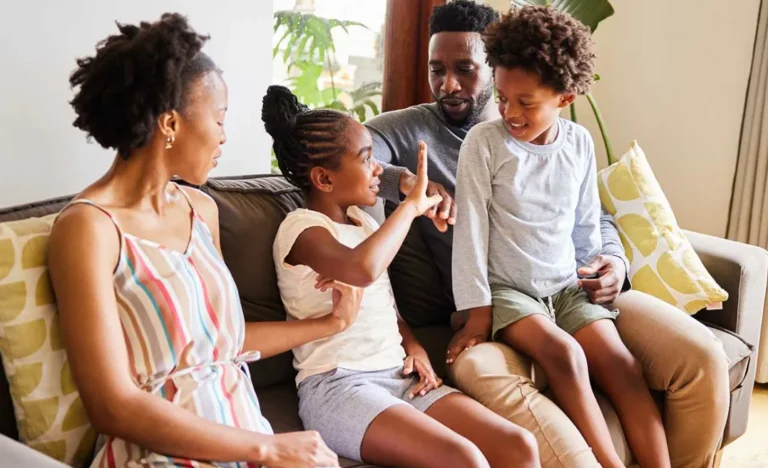
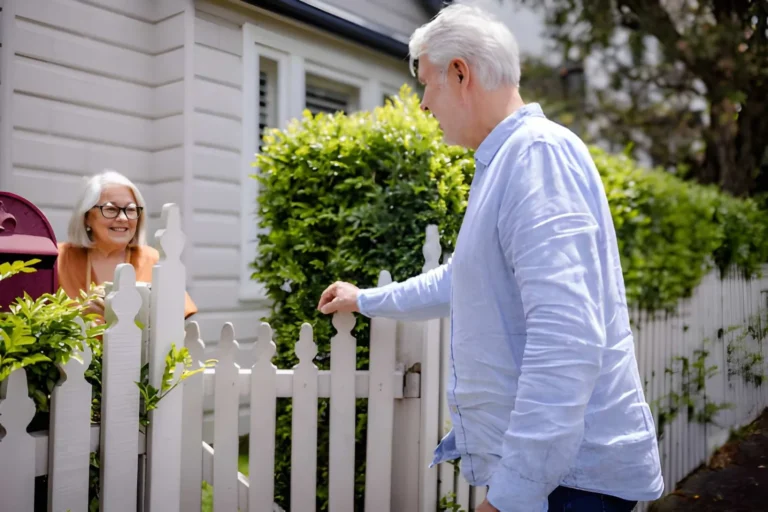
Healthy relationships are built on trust, respect, understanding, and open communication. Whether it’s a romantic partnership, friendship, family bond, or professional connection, communication serves as the foundation that keeps relationships strong and meaningful. Without effective communication, misunderstandings, resentment, and emotional distance can slowly damage even the strongest relationships.
Developing effective communication skills doesn’t mean avoiding disagreements. Instead, it means learning how to express thoughts honestly, listen actively, and resolve conflicts in a respectful way. Strong communication creates an environment where both individuals feel heard, valued, and appreciated.
In this guide, we’ll explore the importance of communication in relationships, essential communication skills, common barriers, and practical strategies for building healthier and happier connections.
Why Communication Is the Foundation of Healthy Relationships
Communication is more than simply exchanging words. It involves expressing emotions, understanding perspectives, interpreting body language, and responding with empathy.
Healthy communication helps people:
- Build trust and emotional intimacy
- Prevent misunderstandings
- Resolve disagreements peacefully
- Strengthen emotional connections
- Improve mutual respect
- Encourage honesty and openness
- Reduce stress and resentment
When communication breaks down, small issues can quickly grow into larger conflicts. That’s why investing in communication skills is one of the most valuable things anyone can do for their relationships.
1. Practice Active Listening
One of the most important communication skills is active listening. Many people listen only to reply instead of truly understanding what the other person is saying.
Active listening involves:
- Giving full attention
- Maintaining eye contact
- Avoiding interruptions
- Asking thoughtful questions
- Reflecting back what you heard
- Showing empathy
For example, instead of immediately offering advice, say:
“I understand why you feel that way. Tell me more about what happened.”
This simple response helps the other person feel respected and understood.
2. Express Yourself Clearly and Honestly
Healthy relationships require honesty. People cannot understand your thoughts or feelings unless you communicate them clearly.
Instead of expecting others to read your mind:
- Express your needs politely.
- Explain your emotions calmly.
- Be specific rather than vague.
- Avoid hiding important feelings.
For example:
Instead of saying:
“You never care about me.”
Try:
“I felt hurt when my message wasn’t answered because I was hoping to talk.”
Clear communication reduces confusion and prevents unnecessary conflict.
3. Use “I” Statements Instead of Blame
One of the biggest communication mistakes is blaming or accusing others.
Blaming language often sounds like:
- “You always…”
- “You never…”
- “It’s your fault.”
These statements usually make the other person defensive.
Instead, use “I” statements:
- “I feel disappointed when…”
- “I need more support with…”
- “I appreciate it when…”
This approach focuses on your emotions rather than attacking the other person.
4. Pay Attention to Nonverbal Communication
Communication isn’t limited to spoken words.
Research suggests that facial expressions, body language, gestures, posture, and tone of voice all influence how messages are understood.
Positive nonverbal communication includes:
- Smiling genuinely
- Relaxed posture
- Appropriate eye contact
- Gentle tone of voice
- Open body language
Negative signals include:
- Crossing arms
- Rolling eyes
- Looking at your phone
- Sighing dramatically
- Speaking aggressively
Your body language should support the message you want to communicate.
5. Develop Emotional Intelligence
Emotional intelligence is the ability to recognize, understand, and manage emotions—both your own and others’.
People with high emotional intelligence tend to:
- Stay calm during disagreements
- Recognize emotional triggers
- Respond thoughtfully instead of reacting impulsively
- Show empathy
- Build stronger relationships
Before responding during an argument, pause and ask yourself:
- What am I feeling?
- Why do I feel this way?
- How can I communicate respectfully?
This simple habit can prevent unnecessary conflict.
6. Show Empathy
Empathy means understanding another person’s feelings without judging them.
Empathy does not always mean agreeing with someone—it means acknowledging their emotions.
Helpful empathetic responses include:
- “That sounds really difficult.”
- “I understand why you’re upset.”
- “I can see how that affected you.”
Feeling understood strengthens emotional intimacy and trust.
7. Resolve Conflicts Respectfully
Conflict is a natural part of every relationship.
Healthy couples, friends, and families are not conflict-free—they simply handle disagreements respectfully.
Effective conflict resolution involves:
- Staying calm
- Listening carefully
- Avoiding insults
- Focusing on solutions
- Taking responsibility for mistakes
- Being willing to compromise
Avoid bringing up unrelated past mistakes during current disagreements. Stay focused on solving the issue at hand.
8. Learn the Importance of Timing
Even important conversations can fail if they’re held at the wrong time.
Avoid discussing sensitive topics when:
- Someone is extremely stressed
- One person is exhausted
- You’re both angry
- You’re in public
- There isn’t enough time
Instead, ask:
“Can we talk about something important later this evening?”
Choosing the right moment often leads to more productive conversations.
9. Build Trust Through Consistent Communication
Trust grows through consistency.
Healthy communication includes:
- Keeping promises
- Being honest
- Following through on commitments
- Admitting mistakes
- Being dependable
Small daily conversations often strengthen relationships more than occasional grand gestures.
Simple habits include:
- Checking in during the day
- Asking meaningful questions
- Sharing daily experiences
- Expressing appreciation regularly
10. Practice Appreciation and Gratitude
Many relationships struggle because people focus only on problems.
Expressing gratitude strengthens emotional bonds.
Examples include:
- “Thank you for helping me today.”
- “I appreciate everything you do.”
- “I’m grateful to have you.”
Regular appreciation increases relationship satisfaction and encourages positive behavior.
Common Communication Barriers
Recognizing communication barriers is the first step toward overcoming them.
Common obstacles include:
- Poor listening habits
- Making assumptions
- Lack of trust
- Fear of vulnerability
- Stress and anxiety
- Constant distractions
- Excessive criticism
- Defensiveness
- Passive-aggressive behavior
Identifying these habits can significantly improve relationship quality.
Daily Habits to Improve Communication
Healthy communication develops through consistent practice.
Try these daily habits:
- Listen without interrupting.
- Ask open-ended questions.
- Put away digital devices during conversations.
- Spend quality time together.
- Express appreciation every day.
- Respect different opinions.
- Clarify misunderstandings immediately.
- Be patient during difficult discussions.
- Stay calm under pressure.
- Practice forgiveness when appropriate.
Small improvements made consistently create lasting change.
Benefits of Effective Communication in Relationships
Strong communication provides numerous long-term benefits, including:
- Greater trust
- Stronger emotional connection
- Better conflict resolution
- Increased relationship satisfaction
- Reduced misunderstandings
- Improved mental well-being
- Higher mutual respect
- Stronger family bonds
- Healthier friendships
- Greater personal growth
When communication improves, every aspect of a relationship becomes healthier and more fulfilling.
Final Thoughts
Effective communication is one of the most valuable skills for building and maintaining healthy relationships. It involves more than talking—it requires listening with intention, expressing feelings honestly, showing empathy, and resolving conflicts respectfully.
No relationship is perfect, but every relationship can improve through better communication. By practicing active listening, using respectful language, expressing appreciation, and remaining emotionally aware, you can strengthen trust and deepen your connections with the people who matter most.
Healthy relationships don’t happen by chance—they grow through consistent effort, mutual respect, and meaningful communication. Start practicing these communication skills today, and you’ll create stronger, happier, and more lasting relationships for years to come.
Also Read About : Data Privacy Laws Every Internet User Should Know