Why Custom Wood Furniture Matters in Thoughtful Space Planning
A well-planned bedroom should feel calm, spacious, and easy to maintain, with every belonging having a practical place. Storage plays an important role in achieving this balance, especially when bedroom space is limited. A thoughtfully planned modular wardrobe design can maximize available space while creating dedicated areas for clothing, accessories, shoes, linens, and everyday essentials.
Customized wardrobes can be tailored to room dimensions, personal routines, storage requirements, and aesthetic preferences. By combining intelligent organization with attractive finishes, they can reduce clutter, improve accessibility, and create a more comfortable and visually balanced bedroom environment.
Understanding Thoughtful Space Planning
Space planning involves arranging furniture and other elements to create a comfortable, functional, and visually balanced room. It considers dimensions, movement, storage, lighting, doors, windows, and everyday activities.
A furniture piece that looks attractive may not suit the available space. An oversized cabinet can make a small bedroom feel cramped, while insufficient storage may leave corners and vertical areas unused. Thoughtful planning solves these challenges by treating the room as a complete environment.
Furniture created according to specific dimensions can offer better proportions, practical storage, and visual harmony, allowing each element to complement the overall interior design while meeting the occupants’ needs.
Why Wood Works Well for Personalized Interiors
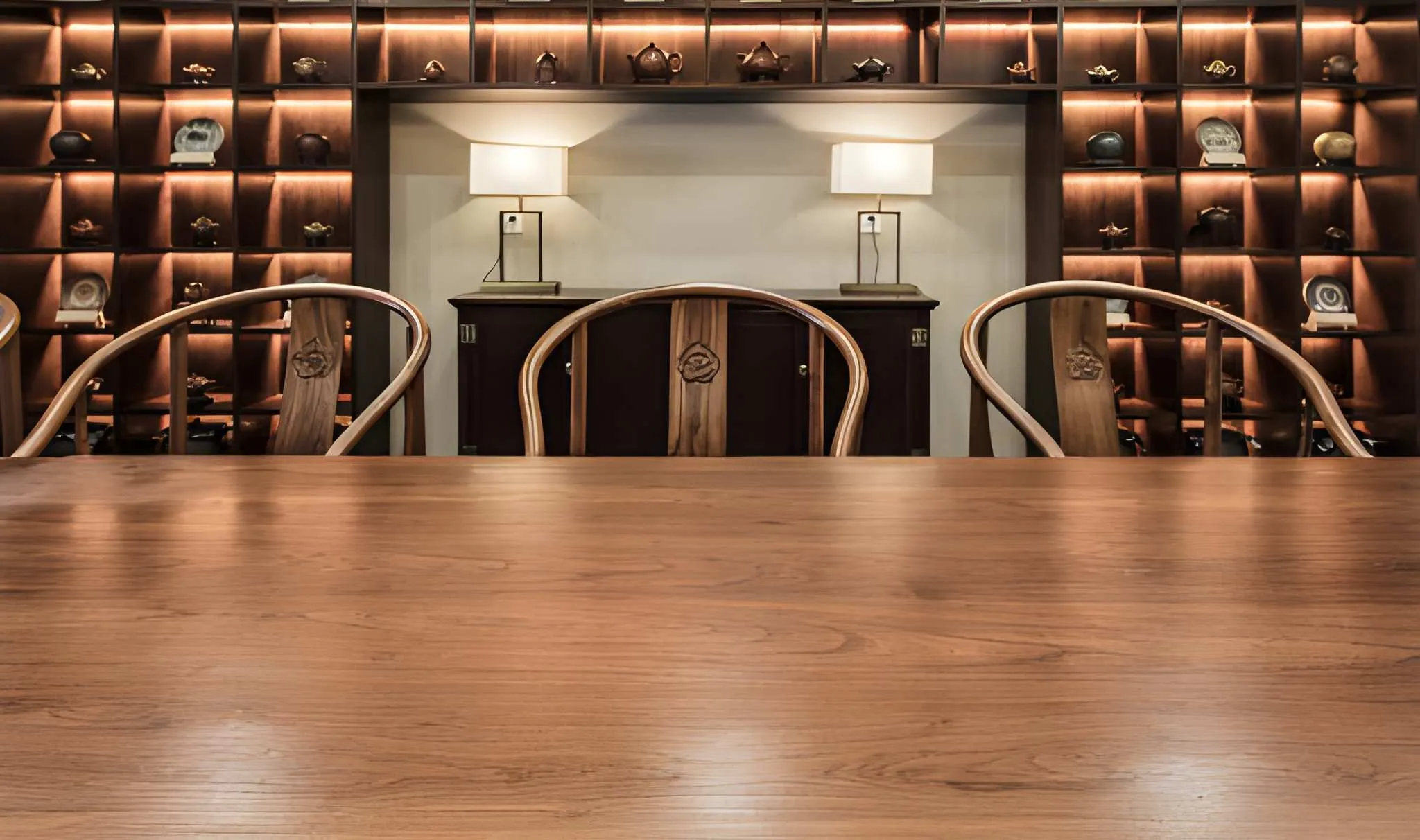
Wood has remained a popular furniture material because of its visual warmth and versatility. It can complement contemporary, minimalist, classic, rustic, and several other interior styles.
Its appearance can also change significantly depending on the finish, texture, grain, colour, and detailing selected. This flexibility makes it easier to coordinate furniture with flooring, wall treatments, lighting, fabrics, and decorative elements.
Beyond appearance, properly designed wooden furniture can provide practical benefits. Shelving, cabinets, tables, wardrobes, and storage units can be created according to the requirements of the household, making the room more organized without compromising its visual appeal.
Making Better Use of Available Space
One of the biggest advantages of customized furniture is its ability to respond to unusual room dimensions. Homes often contain corners, alcoves, narrow walls, columns, sloping areas, or spaces that standard furniture cannot use efficiently.
A thoughtfully designed unit can make these areas useful. For example, a tall storage system can take advantage of unused vertical space, while a built-in cabinet can fit neatly between two structural elements.
This approach is particularly helpful in apartments where every square foot matters. Instead of leaving awkward gaps around ready-made furniture, homeowners can consider solutions that follow the actual dimensions of the room.
Creating Furniture Around Everyday Habits
Good interiors should support the way people actually live. Furniture planning therefore needs to consider routines rather than focusing only on appearance.
A family that entertains frequently may need additional seating and accessible storage in the living room. Someone who works from home may require a dedicated workstation with shelving and concealed cable management. A bedroom may need separate storage for clothing, accessories, books, luggage, and everyday items.
When these requirements are considered during the design stage, furniture becomes more than decoration. It becomes part of the home’s daily functioning.
Balancing Storage and Visual Simplicity
Storage is essential, but too many visible cabinets can make an interior appear crowded. Thoughtful furniture planning helps achieve a better balance between storage capacity and visual openness.
Closed cabinets can keep everyday belongings concealed, while selected open shelves can display books, artwork, plants, or decorative objects. Integrated furniture can also help create cleaner sightlines by reducing the number of independent pieces occupying the room.
The objective is not simply to create more storage. It is to create useful storage in the right places while maintaining the desired visual character of the room.
Designing Furniture to Complement the Room
Furniture should feel connected to the rest of the interior. Its proportions, finishes, colours, and detailing can influence how cohesive a room appears.
For example, furniture with clean lines can support a minimalist environment, while richer wood tones and detailed craftsmanship may work well within a more traditional setting. Similarly, simple finishes can complement contemporary interiors without visually overwhelming the architecture.
This coordinated approach allows furniture to become part of the design language rather than appearing as an unrelated addition.
The Role of Wardrobes in Space Planning
Bedrooms demonstrate particularly well why furniture planning matters. A wardrobe occupies considerable wall space, so its placement, depth, height, door mechanism, and internal organization can affect the entire room.
Planning should consider how much clothing needs to be stored, whether drawers or shelves are required, where accessories will go, and how frequently different items are accessed. Door clearance and movement around the bed should also be considered.
For homeowners seeking professional guidance, a wardrobe design consultation Bangalore can help translate personal storage requirements into a practical layout that works with the bedroom’s available dimensions and overall aesthetic.
Supporting a Cohesive Interior Theme
A thoughtfully planned home usually has visual connections between different spaces. Furniture can help establish these connections through repeated materials, complementary finishes, consistent proportions, or related detailing.
For instance, a wooden finish used in a living room storage unit can be subtly repeated in bedroom furniture or shelving. This does not mean every piece needs to look identical. Instead, selected similarities can create continuity while allowing each room to retain its own personality.
Such coordination is especially useful in open-plan homes where living, dining, and kitchen areas visually interact with one another.
Conclusion
Thoughtful space planning becomes more effective when furniture is considered as an integral part of the interior rather than a separate purchase. Custom wood furniture can help homeowners achieve better proportions, useful storage, comfortable movement, and a cohesive visual identity. When every piece is planned around the space and lifestyle, the result can feel more organized, personal, and enduring.
For homeowners seeking professionally planned interiors, WeDezine Studio offers home interior design, living room and bedroom interiors, modular kitchens, furniture solutions, wardrobe design, lighting, renovation, and complete design execution. Their in-house team brings together planning, visualization, material selection, execution, and handover, creating functional, personalized spaces that reflect individual lifestyles, preferences, and practical requirements while maintaining a cohesive and elegant interior aesthetic throughout every room and project.