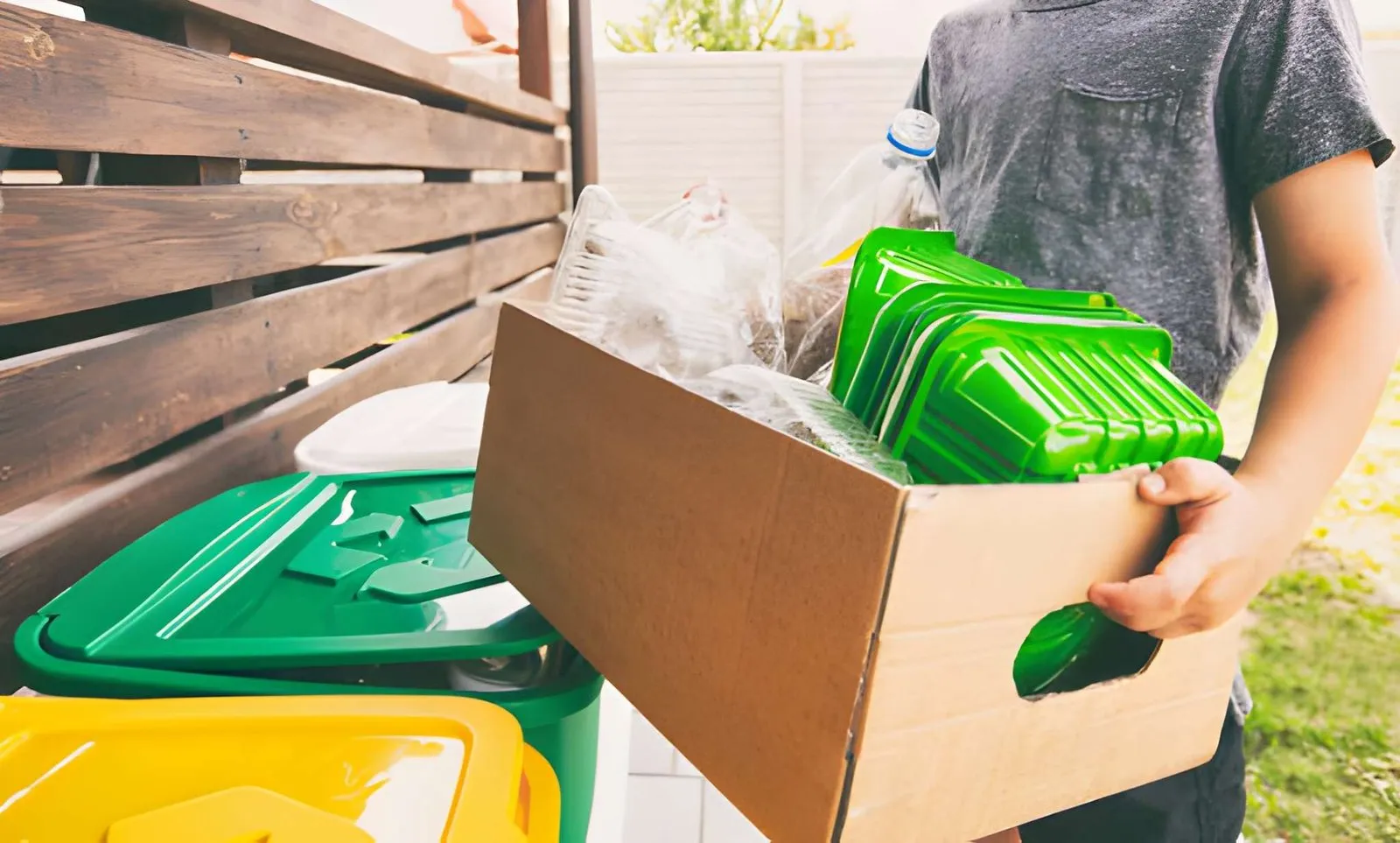
Waste Removal Tips for Homeowners Trying to Keep Salvageable Items Out of the Trash
Home cleanup projects often move faster when everything goes into one discard pile, but that approach can send useful items to the trash too soon. Furniture, tools, shelving, cabinets, fixtures, lumber, hardware, décor, storage bins, books, dishes, and building materials may still have value if they are sorted before the cleanup gets messy.
For homeowners, the key is slowing down just enough to separate what can be reused, donated, repaired, sold, or recycled. A good waste removal plan does not mean keeping everything. It means making clear decisions before salvageable items are buried under broken materials, dusty debris, wet trash, or general household clutter.
Start With a Sorting Plan
Before carrying items out of the house, create a simple sorting plan. Most cleanups work better with a few clear categories: keep, donate, sell, recycle, discard, and review later. The review-later pile should stay small because it can quickly become the new clutter pile.
This setup helps homeowners avoid rushed decisions. It also gives everyone helping the same system to follow. Without categories, one person may treat an item as trash while another person planned to save it.
Sorting first is especially useful during garage cleanouts, basement cleanups, attic clearing, storage room projects, and renovation prep. These areas often hold items that are forgotten but still useful.
Set Up a Clean “Save” Area
Salvageable items should be placed in a clean, protected area away from the main debris. This may be a spare room, garage corner, covered porch, shed, or section of the driveway protected from weather.
The save area should not sit beside broken drywall, old carpet, muddy yard waste, wet boxes, or sharp construction scraps. Once usable items are mixed with debris, they can be scratched, stained, broken, or mistaken for trash.
For larger cleanups, homeowners may coordinate debris removal through Waste Removal USA while keeping reusable items staged separately. The disposal area and the save area should be easy to tell apart.
Label Items Clearly
Labels prevent confusion during busy cleanup days. A chair, cabinet, door, box of hardware, or light fixture may look like trash to someone who does not know the plan. Painter’s tape, sticky notes, or marker labels can help.
Use simple labels such as “keep,” “donate,” “sell,” “save for garage,” or “ask before tossing.” Small parts should be bagged and labeled with the item they belong to. Screws, brackets, hinges, shelf pins, and drawer pulls are easy to lose if they are thrown into one mixed container.
Clear labels are especially important when family members, friends, or contractors are helping with the cleanup.
Be Honest About Condition
Keeping salvageable items out of the trash does not mean saving damaged clutter forever. Homeowners should look carefully at each item’s condition. Is it clean? Is it safe? Does it work? Are key parts missing? Would someone actually use it?
A solid wood shelf may be worth saving. A swollen particleboard cabinet may not be. A working lamp may be donated. A cracked fixture with missing parts may only create another problem.
This step keeps the cleanup practical. The goal is to rescue useful items, not keep every object because it might someday have a purpose.
Separate Donation Items From Personal Keepsakes
Donation items and personal keepsakes should not be staged together. Keepsakes may need careful storage, while donation items should be boxed, cleaned, and removed from the home quickly.
Family photos, documents, heirlooms, children’s artwork, letters, and sentimental items deserve a separate review area. They should not be handled like ordinary household goods.
Donation items should be complete and clean. Clothing, dishes, small furniture, books, toys, tools, and décor may be useful to someone else, but only if they are not dirty, broken, or mixed with trash.
Protect Reusable Building Materials
Home projects often produce reusable materials that should not automatically be discarded. Doors, trim, lumber, cabinet hardware, shelving, pavers, tile, bricks, light fixtures, and extra flooring may be useful for repairs or future projects.
These materials should be removed carefully and stacked neatly. Long boards should be checked for nails or screws. Matching tile or flooring should be boxed and labeled by room. Hardware should be stored in bags or containers.
Saving matching materials can be especially helpful in older homes where replacements may be difficult to find later.
Watch for Moisture-Damaged Items
Some items look salvageable at first but may not be safe or practical to keep. Moisture changes the decision. Wet furniture, soaked carpet, damp cardboard, swollen cabinets, moldy books, and water-damaged drywall should be reviewed carefully.
This is especially important when cleaning up after a flood, because materials may be contaminated, weakened, or difficult to fully dry. Items that touched floodwater may need to be discarded even if they appear usable.
When moisture, sewage, mold, or unsafe conditions are involved, homeowners should focus on safety first. Salvage only what can be cleaned and handled appropriately.
Move Reusable Items Before Heavy Cleanup Begins
Salvageable items should be moved out of the work area early. Once demolition, hauling, sweeping, or large-scale disposal begins, the chance of damage goes up. Dust, broken materials, sharp debris, and repeated foot traffic can ruin items that were worth saving.
If homeowners are clearing a basement, garage, or renovation area, they should remove usable items before tearing out materials or loading trash. This protects those items and opens the space for faster cleanup.
Early removal also helps homeowners see what is truly left to discard.
Keep Recycling Separate
Some items may not be reusable but still should not go into general trash if recycling is available. Cardboard, clean metal, certain plastics, electronics, appliances, and some construction materials may have separate options depending on local rules.
Recycling works best when materials are kept clean and sorted. Wet cardboard, mixed debris, broken glass, food waste, and dirty materials may limit what can be accepted.
Homeowners should avoid overcomplicating the process. Focus first on the biggest, easiest categories, such as cardboard, metal, and electronics that need separate handling.
Set Deadlines for Saved Items
A common cleanup mistake is saving items without a plan. Donation boxes sit in the garage for months. Furniture marked for resale blocks the driveway. Building materials move from one corner to another without ever being used.
Set deadlines. Donation items should be dropped off or picked up within a short window. Items for sale should be listed quickly. Materials saved for future repairs should be labeled and stored properly.
If an item has no realistic next step, it may not be worth saving. Good cleanup should reduce clutter, not rename it.
Keep the Main Cleanup Moving
Separating salvageable items should not stop the whole project. Once useful items are moved, labeled, and protected, the rest of the waste should keep moving toward disposal. Broken furniture, unusable materials, old carpet, damaged boxes, trash, and unsafe items should not remain scattered around the home.
A clean work area makes decisions easier. It also keeps salvaged items from being buried again as more debris appears.
Do One Final Review Before Disposal
Before the final discard pile is loaded, homeowners should do one last review. Open boxes, check drawers, look inside cabinets, and scan shelves for items that may have been missed. Important documents, tools, photos, small valuables, and reusable hardware often hide inside old storage areas.
This final review should be careful but not endless. The goal is to catch obvious mistakes before items leave the property.
Keeping salvageable items out of the trash starts with a clear sorting plan. Homeowners should separate useful items early, label them, protect them from debris, and be honest about what is truly worth saving.
By creating keep, donate, recycle, and discard areas, homeowners can reduce waste without letting clutter take over again. A practical cleanup plan helps usable items find a better next step while true debris is removed from the home efficiently.