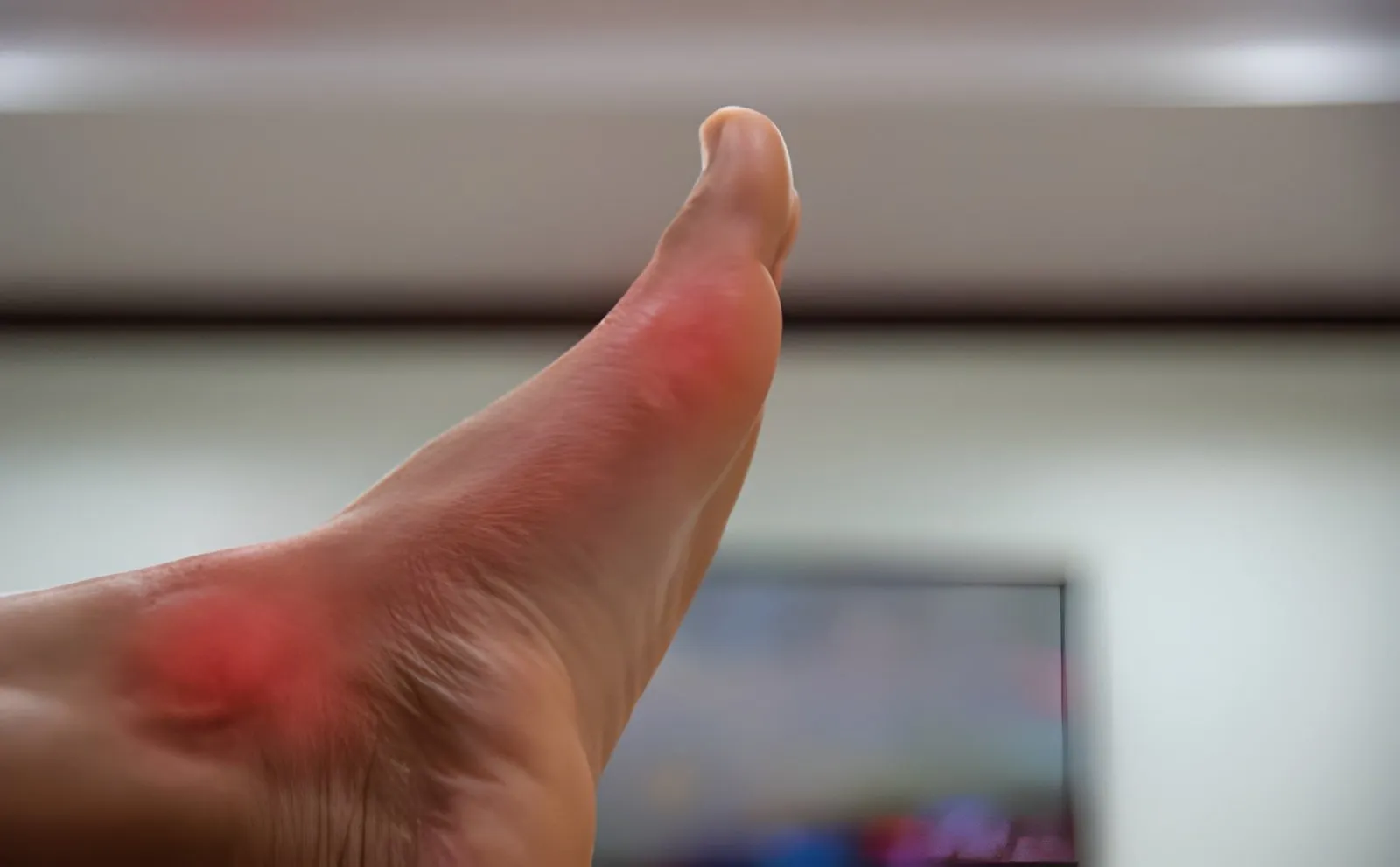
Don’t Ignore the Signs: Identifying Common Foot Infections
Every single step you take places incredible pressure on your feet. Supporting your entire body weight, absorbing impact, navigating diverse surfaces, and remaining confined inside footwear all day makes your feet uniquely vulnerable to injury and illness. Among the most frequent yet overlooked issues people face are foot infections. Left unaddressed, what begins as mild itching, minor redness, or a slight throb can quickly escalate into a painful, debilitating, or even systemic health concern.
Recognizing the subtle warning signs of a developing foot infection is essential for protecting your mobility and overall well-being. Understanding the most common types of foot infections, their symptoms, and when to seek medical intervention is key to ensuring a swift and full recovery.
Common Types of Foot Infections
Foot infections generally fall into three main categories: fungal, bacterial, and complex wound complications often tied to underlying medical conditions.
1. Fungal Infections
Fungi thrive in dark, warm, and moist environments—making shoes, socks, and communal locker rooms ideal breeding grounds.
- Athlete’s Foot (Tinea Pedis): This extremely common fungal infection typically affects the skin between the toes or along the soles. Classic symptoms include intense itching, burning sensations, scaling, peeling skin, and small fluid-filled blisters.
- Toenail Fungus (Onychomycosis): Fungal spores can invade the nail bed, causing toenails to become thickened, brittle, crumbly, or discolored (yellow, brown, or white). Over time, the nail may separate from the toe bed and emit a distinct odor.
2. Bacterial Infections
Bacterial infections frequently occur when the skin’s protective barrier is broken through a cut, blister, crack, or improperly trimmed nail.
- Cellulitis: A serious bacterial skin infection that presents as expanding redness, swelling, warmth, and tenderness. The affected skin often feels tight, stretched, and hot to the touch.
- Infected Ingrown Toenails (Paronychia): When the edge of a toenail pierces the neighboring skin, bacteria enter easily. This leads to localized swelling, sharp throbbing pain, pus drainage, and excessive tissue buildup around the nail border.
3. Diabetic Foot Complications
Individuals living with diabetes face significantly higher risks when it comes to foot infections. Diabetes can lead to peripheral neuropathy (nerve damage causing numbness) and reduced blood flow. As a result, minor blisters, cuts, or calluses can go completely unnoticed and fail to heal properly, rapidly progressing into deep, severe foot ulcers that carry high risks of severe infection.
Key Warning Signs You Shouldn’t Ignore
Your body provides clear warning signals when an infection is taking hold. You should never ignore the following symptoms in your feet, toes, or ankle joints:
- Persistent or Spreading Redness: A localized red patch that gradually grows larger, turns darker, or develops red streaks radiating outward.
- Unusual Warmth and Swelling: An area of skin that feels noticeably warmer than the surrounding tissue, accompanied by localized puffiness or tightness.
- Pus or Drainage: Any cloudy, yellowish, greenish, or foul-smelling fluid oozing from a cut, nail border, or blister.
- Throbbing or Escalating Pain: Pain that progressively worsens over time rather than improving with rest and elevation.
- Systemic Symptoms: Experiencing a fever, chills, nausea, or general fatigue alongside a foot issue indicates that an infection may be spreading and requires urgent medical care.
Essential Prevention Strategies
Preventing foot infections begins with consistent, mindful daily hygiene habits:
- Maintain Thorough Hygiene: Wash your feet daily with warm water and mild soap. Crucially, dry them thoroughly—especially between the toes—before putting on socks or shoes.
- Choose Breathable Footwear: Wear moisture-wicking socks made of synthetic blends or merino wool, and alternate your shoes daily to allow them to dry out completely between wearings.
- Protect Your Feet in Public: Always wear protective footwear, such as sandals or shower shoes, in public locker rooms, pool decks, and communal showers.
- Trim Nails Correctly: Cut toenails straight across to prevent ingrown edges, and avoid aggressive home procedures on calluses or stubborn nails.
When to Seek Professional Care
While minor surface irritation can sometimes be managed with proper hygiene and over-the-counter remedies, persistent or worsening symptoms require professional medical evaluation. Self-treating an active infection at home often delays effective care and allows bacteria or fungi to spread deeper into skin and bone tissues.
If you notice persistent redness, pus, escalating pain, or if you have an underlying condition such as diabetes or poor circulation, scheduling an evaluation is crucial. Consulting an experienced podiatrist in West Valley City ensures you receive an accurate diagnosis, targeted antibiotics or specialized therapies, and a personalized treatment plan designed to keep you active and pain-free.
Taking proactive care of your feet today preserves your independence and quality of life for years to come. Don’t wait for minor discomfort to become a major health hurdle—listen to your feet and seek professional medical guidance at the first sign of trouble.