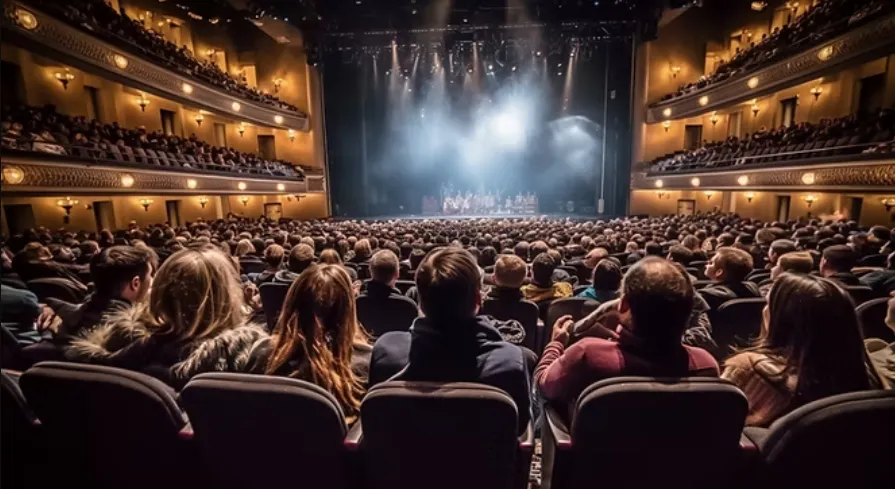
The Return of Live Theater in the Digital Era
Live theater has always been a unique form of entertainment, offering audiences an experience that cannot be fully replicated through a screen. Despite the rapid rise of streaming platforms, social media, and digital entertainment, theater has demonstrated remarkable resilience. In recent years, audiences have shown renewed interest in attending live performances, proving that the magic of the stage remains as powerful as ever. The return of live theater in the digital era represents more than just a revival—it highlights the enduring value of human connection, artistic expression, and shared cultural experiences.
Today’s theaters are embracing technology rather than competing against it. From digital ticketing systems and immersive stage effects to online marketing and hybrid performances, the industry has evolved to meet modern expectations while preserving the timeless essence of live storytelling. This transformation has made theater more accessible, engaging, and relevant for audiences of all ages.
Why Live Theater Is Making a Strong Comeback
Several factors have contributed to the resurgence of live theater. One of the most significant reasons is the growing desire for authentic, in-person experiences. After spending countless hours consuming digital content, many people now seek activities that offer genuine emotional engagement.
Unlike movies or television, every live performance is unique. Actors respond to the audience’s energy, creating a dynamic atmosphere that changes with each show. This unpredictability gives theater an authenticity that prerecorded entertainment simply cannot match.
Additionally, theaters around the world have invested in improving visitor experiences by introducing:
- Comfortable seating and modern venues
- Online ticket booking and mobile check-in
- Enhanced lighting and sound systems
- Interactive audience experiences
- Accessible performances for diverse communities
These improvements have helped attract both longtime theater enthusiasts and first-time attendees.
Technology Is Enhancing Rather Than Replacing Theater
Contrary to popular belief, digital technology has become one of theater’s greatest allies. Instead of diminishing the importance of live performances, technology has expanded their reach and improved production quality.
Some of the most impactful technological innovations include:
Advanced Stage Design
Modern productions use projection mapping, LED screens, automated lighting, and digital scenery to create visually stunning performances. These technologies allow directors to transform stages instantly, offering audiences breathtaking visual experiences.
Digital Ticketing
Mobile ticketing platforms have simplified the booking process. Theatergoers can purchase tickets online, choose their preferred seats, receive digital confirmations, and enter venues without printed tickets.
Social Media Promotion
Platforms like Instagram, TikTok, Facebook, and YouTube have become essential marketing tools for theaters. Behind-the-scenes videos, cast interviews, rehearsal clips, and audience reactions generate excitement before performances even begin.
Livestreaming Selected Productions
Some theaters now offer livestreams or recorded performances for viewers unable to attend in person. Rather than reducing attendance, these broadcasts often encourage more people to experience future shows live.
The Emotional Power of Live Performances
One of the strongest reasons audiences continue returning to theaters is the emotional impact of live storytelling.
Watching actors perform in real time creates a level of intimacy rarely found in digital entertainment. Every laugh, silence, applause, and emotional scene is shared collectively among the audience.
Live performances also create memorable moments because:
- Mistakes become part of the performance.
- Audience reactions influence actors.
- Every show feels different.
- The atmosphere cannot be duplicated.
This emotional authenticity strengthens the bond between performers and audiences.
Younger Audiences Are Rediscovering Theater
Many people once believed younger generations preferred only digital entertainment. However, recent trends suggest otherwise.
Gen Z and Millennials increasingly value experiences over material possessions. Live theater offers something unique they can share with friends and family while creating lasting memories.
Modern productions have also adapted by presenting:
- Contemporary musicals
- Interactive performances
- Diverse storytelling
- Inclusive casting
- Modern themes that reflect today’s society
These changes have made theater more relatable to younger audiences without sacrificing artistic integrity.
The Rise of Immersive Theater
Immersive theater has become one of the fastest-growing trends in live entertainment.
Instead of sitting quietly in fixed seats, audiences may move through performance spaces, interact with actors, or influence parts of the story. This style transforms spectators into active participants.
Examples include:
- Mystery-solving performances
- Historical reenactments
- Interactive horror experiences
- Site-specific productions
- Escape-room-inspired theater
Immersive experiences combine traditional acting with modern audience expectations, making performances unforgettable.
Economic Benefits of Theater Revival
The return of live theater also provides significant economic advantages for local communities.
Successful theater productions generate employment opportunities for:
- Actors
- Directors
- Costume designers
- Lighting technicians
- Stage managers
- Musicians
- Set builders
- Marketing professionals
Beyond the theater itself, nearby restaurants, hotels, transportation services, and retail businesses also benefit from increased visitor traffic.
Many cities actively support theater districts because they contribute to tourism and local economic growth.
Community and Cultural Impact
Theater has always played an important role in preserving culture and encouraging meaningful conversations.
Local productions often showcase regional history, social issues, and cultural traditions that might otherwise receive little attention. Community theaters also provide opportunities for aspiring artists to develop their talents.
Educational programs connected to theater help students improve:
- Public speaking
- Confidence
- Creativity
- Teamwork
- Critical thinking
- Communication skills
These benefits extend far beyond entertainment, making theater a valuable cultural institution.
Challenges Facing Modern Theater
Although live theater is experiencing renewed popularity, the industry still faces several challenges.
Rising Production Costs
Creating high-quality performances requires significant investment in costumes, sets, technology, venues, and skilled professionals.
Competition From Digital Entertainment
Streaming services, gaming platforms, and social media continue competing for consumers’ attention and leisure time.
Changing Audience Expectations
Modern audiences expect exceptional production quality, comfortable venues, seamless digital services, and affordable ticket prices.
Talent Development
The industry must continue supporting new playwrights, actors, and creative professionals to ensure long-term sustainability.
Addressing these challenges requires innovation while maintaining the artistic traditions that define live theater.
Sustainability in Modern Theater
Environmental responsibility has become increasingly important within the performing arts industry.
Many theaters now implement sustainable practices such as:
- Recycling stage materials
- Using LED lighting
- Reducing paper waste with digital programs
- Creating reusable costumes and sets
- Improving energy efficiency
These efforts reduce environmental impact while lowering operational costs.
The Future of Live Theater
The future of theater lies in balancing tradition with innovation. Digital tools will continue improving production quality, audience engagement, and accessibility without replacing the core experience of live performance.
Artificial intelligence may assist with lighting design, audience analytics, and marketing strategies, while virtual reality could enhance rehearsals and educational experiences. However, the heart of theater will always remain the same: talented performers sharing compelling stories with a live audience.
As technology evolves, theaters that embrace innovation while preserving authentic human connection will continue thriving.
Conclusion
The return of live theater in the digital era demonstrates that meaningful human experiences remain irreplaceable. While technology has transformed nearly every aspect of entertainment, it has also created new opportunities for theaters to reach wider audiences, improve productions, and remain culturally relevant.
Today’s theaters successfully combine timeless storytelling with modern innovation, offering unforgettable experiences that digital platforms cannot fully replicate. As audiences continue seeking authentic connections and immersive entertainment, live theater is poised for a bright future. Rather than fading in the age of screens, it has evolved into a stronger, more dynamic art form that celebrates creativity, community, and the enduring power of live performance.
Also Read About : The Best Train Journeys Around the World: Unforgettable Rail Adventures for Every Traveler