Different Types of Security Guards for Hire in Australia: Roles, Responsibilities and How to Choose
Security is not one job. It is five different jobs wearing the same uniform. Australia’s private security workforce grew almost 4% in licence numbers in a single year, according to ASIAL, and that growth is not random. Businesses are learning that a static guard and a mobile patrol solve completely different problems. If you’re looking at security guards for hire, you need to know which type actually fits your risk, not just your budget.
What Do Static Security Guards Do?
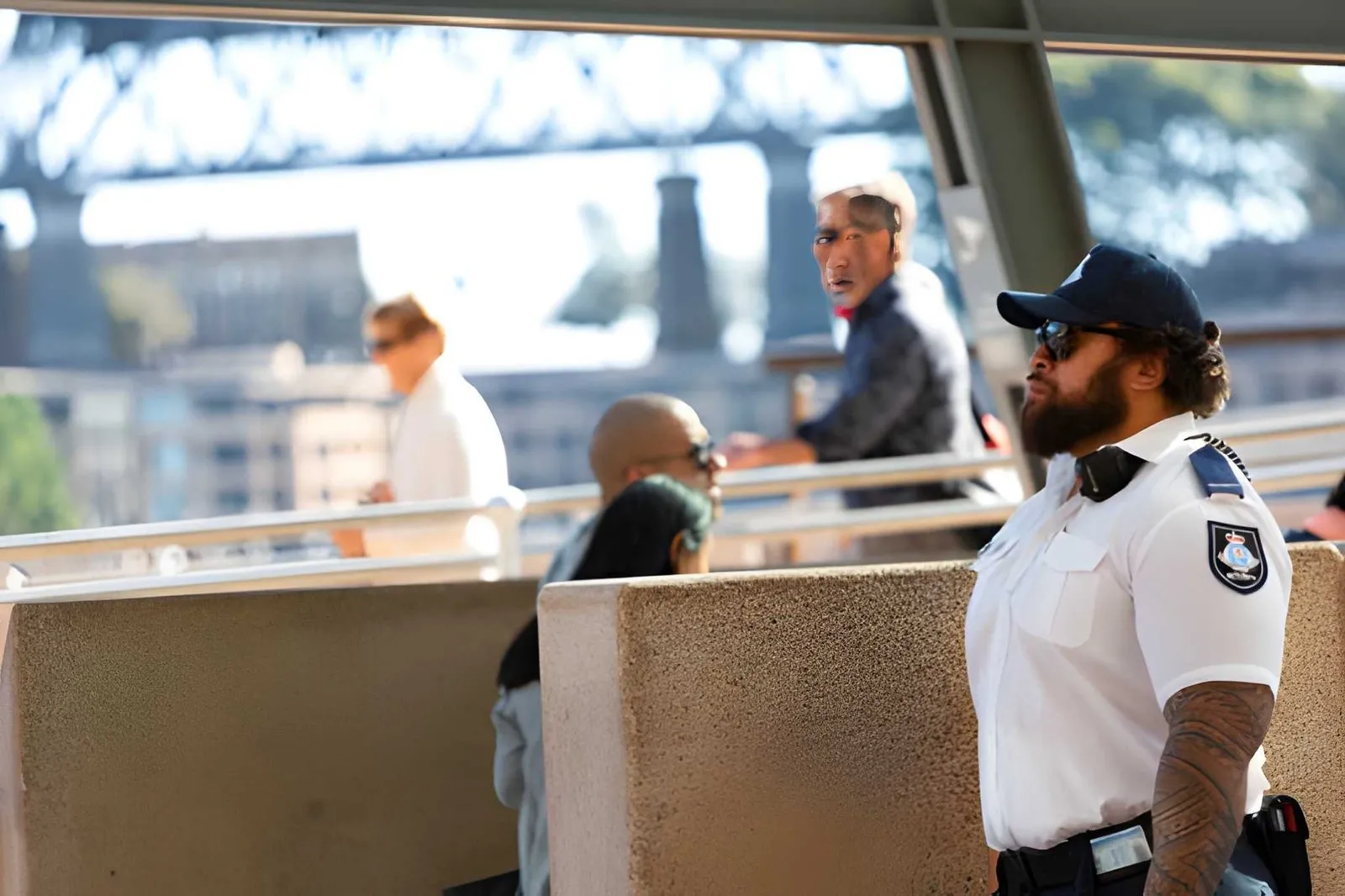
Static security guards stay in one spot and watch everything around it. Think of them standing at a bank entrance or a warehouse gate. They check IDs, greet visitors, and watch for anything odd. A static guard at a retail entrance can stop shoplifting before it starts, just by being seen. That visible presence does real work. Studies on crime deterrence keep finding the same thing: a person in uniform lowers the odds a criminal tries anything at all.
Static guards suit fixed-area sites: a hospital lobby, an office foyer, a gym reception desk. The job is not to wander. It is to notice.
Where static guards fit best:
- Retail stores and supermarkets
- Hospitals and medical centres
- Construction sites
- Office buildings and banks
- Hotels, gyms, and residential communities
What Makes Mobile Patrol Guards Different?
Mobile patrol guards move through a property instead of standing still. They check doors, windows, gates, and machinery, on foot, by bike, or by car. A static guard sees what’s in front of them. A mobile patrol covers the whole site, which matters if your business spans several acres.
Warehouses and large office buildings often pick mobile patrols for one plain reason: coverage. One roaming guard checks ten points across a night shift instead of watching one door for eight hours straight. Industrial sites, construction zones, and parking lots carry the same math.
Why Do Some Businesses Need Armed Security Guards?
Armed security guards carry licensed weapons because their environment demands it. Financial institutions, jewellery stores, and museums with valuable collections sit in a different risk category than a normal retail shop. Armed guards go through extra licensing and weapons training on top of the standard security course.
Most businesses don’t need this level. Hiring armed security for low-risk shopfronts wastes money and can make customers uneasy instead of safe. The decision should follow a real threat assessment, not fear.
| Guard Type | Best For | Core Task |
| Static | Fixed-location businesses | Monitor and deter |
| Mobile Patrol | Large or multi-point sites | Roam and inspect |
| Armed | High-value or high-risk sites | Protect against serious threats |
| Event | Concerts, conferences, weddings | Access control and crowd management |
| Gatehouse | Business premises with entry points | Screen visitors and vehicles |
What Do Event Security Guards Actually Manage?
Event security guards control who gets into a venue and keep the crowd safe once they’re inside. Concerts, sporting events, weddings, and conferences all need someone checking tickets and IDs at the door. Large events can draw thousands of people through one entrance in under an hour, and a badly managed door creates real crush risk.
Beyond the entrance, event guards handle disturbances, help lost guests, and coordinate with venue staff during emergencies. A good event team protects a brand’s reputation just as much as it protects the people in the room.
When Should You Hire Gatehouse Security Guards?
Gatehouse security guards belong at any site with a controlled entry point: a corporate campus, a gated estate, an industrial facility. Their job covers vehicle inspection, visitor sign-in, and hazard reporting, all from a fixed post at the gate. A well-trained gatehouse guard is often the first person a visitor meets, so first impressions rest on their shoulders.
This role blends static presence with active checking. Every vehicle and every visitor gets a look before they’re waved through.
How Do You Choose the Right Guard for Your Business?
Choosing the right guard type starts with one honest question: what are you actually protecting? A retail store worried about shoplifting needs a static guard, not an armed one. A sprawling logistics yard needs mobile patrols, not a single gatehouse post. Match the guard type to the actual risk profile of your site, and you’ll spend security budget where it counts instead of where it feels impressive.
Australia’s security services market has grown at a steady pace in recent years, driven by demand from commercial property, government contracts, and events. That growth reflects a simple truth: businesses that once treated security as an afterthought now treat it as planning. The right guard, in the right role, is not an extra cost. It’s the difference between a problem caught early and one that becomes a headline.