Keep Tenants Happy: Smart Maintenance Tips for Rental Properties
Being a landlord involves far more than simply executing lease agreements and collecting rent checks each month. To build a thriving, profitable real estate investment, property owners must prioritize asset preservation and tenant satisfaction. A well-maintained rental unit not only safeguards your property’s overall valuation, but it also creates a living environment where residents feel safe, respected, and eager to renew their leases.
High tenant turnover and unexpected emergency repairs are two of the largest drains on rental property cash flow. By shifting from a reactive mindset to a strategic, proactive maintenance routine, you can foster long-term tenant relationships while keeping operating expenses under control. Here are essential maintenance strategies every landlord should implement to keep properties in peak condition and tenants genuinely satisfied.
1. Prioritize Routine Preventative Inspections
Waiting for an appliance to break down completely or a pipe to burst is the fastest path to inflated repair bills and frustrated occupants. Establishing a structured schedule for routine preventative maintenance allows you to identify minor wear and tear before it escalates into a major disruption.
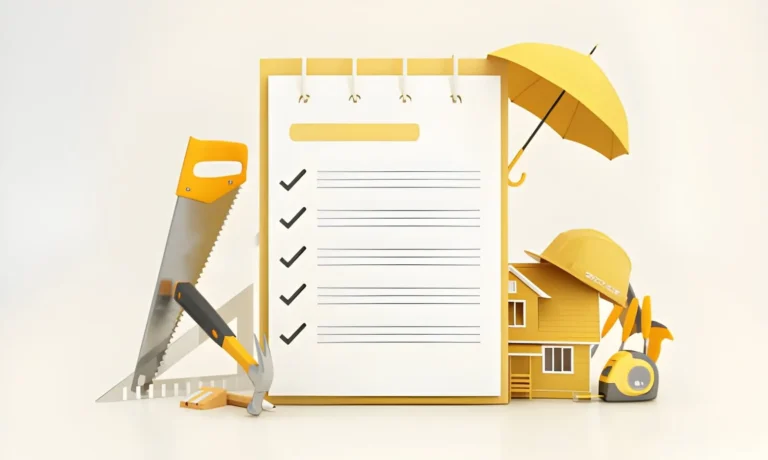
Schedule property walk-throughs at predictable intervals—such as during seasonal shifts or mid-lease reviews—to inspect critical structural and mechanical components:
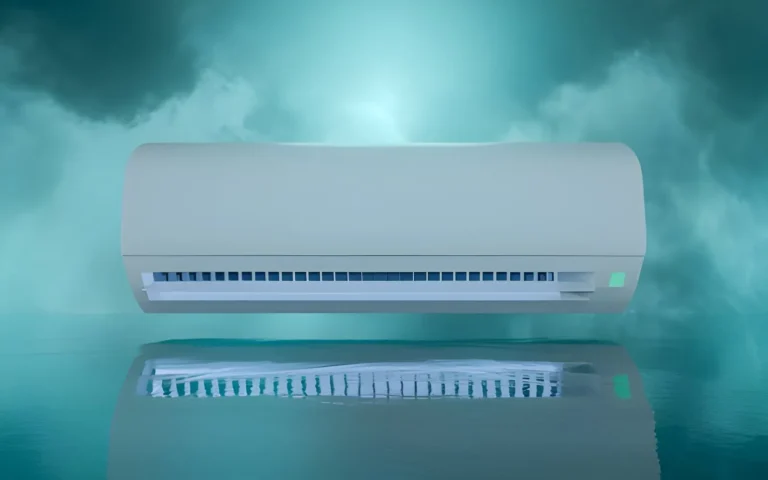
- HVAC Systems: Service heating and air conditioning units twice yearly, replacing air filters regularly to ensure energy efficiency, equipment longevity, and healthy indoor air quality.
- Plumbing Fixtures: Check sink traps, supply lines, and water heaters for minor drips, corrosion, or mineral buildup.
- Roofing & Gutters: Inspect shingles for wear and clear clogged downspouts to prevent water from backing up under eaves or pooling near the foundation.
Always respect tenant privacy by providing adequate written notice before conducting any walkthrough.
2. Respond Swiftly to Repair Requests
When a resident submits a maintenance request, your response time speaks volumes about how much you value their tenancy. Prompt communication and quick resolutions build trust, encouraging tenants to treat the property with greater care.
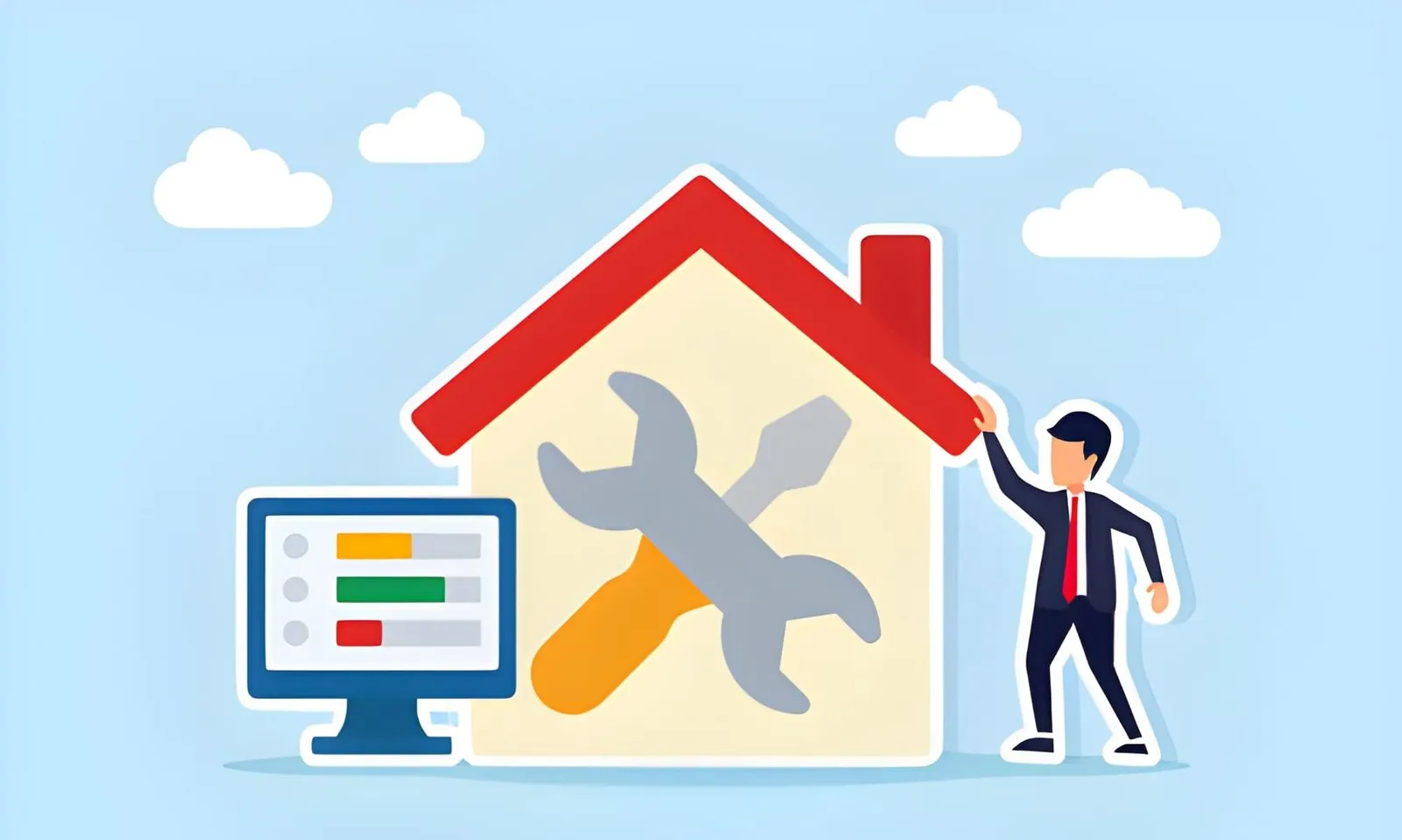
Establish a clear, user-friendly reporting system—such as an online portal or dedicated email address—so repair requests are logged immediately. For urgent issues involving plumbing leaks, heating failures, or structural hazards, take action right away. Even if a repair requires backordered parts or vendor scheduling, keeping the tenant continuously updated prevents frustration and demonstrates professional accountability.
3. Protect Air Quality & Tackle Environmental Hazards
A safe, healthy living space is a legal and moral requirement for any rental business. Environmental issues such as hidden moisture, poor ventilation, and airborne contaminants can quietly degrade structural materials while causing respiratory discomfort or health complications for occupants.
Bathrooms, kitchens, basements, and laundry spaces are especially prone to moisture accumulation. Ensure exhaust fans function properly, encourage adequate ventilation, and address plumbing leaks without delay. If a tenant reports a persistent musty odor, unexplained water discoloration, or recurring allergy symptoms, take proactive steps immediately. Scheduling professional mold testing in Salt Lake City helps pinpoint hidden leaks behind drywall, evaluate indoor air quality, and establish an effective remediation strategy before costly structural decay sets in.
4. Maintain Exterior Safety and Curb Appeal
First impressions matter just as much during ongoing tenancy as they do during initial property viewings. A clean, secure exterior boosts curb appeal, instills resident pride, and significantly reduces liability risks.
Focus on critical outdoor maintenance tasks:
- Safety Lighting: Install bright, energy-efficient motion-sensor lighting around entryways, stairwells, and parking areas to deter crime and prevent accidental falls.
- Landscaping Upkeep: Keep lawns mowed, flower beds weeded, and tree branches trimmed away from rooflines, power lines, and windows.
- Walkways & Enclosures: Repair cracked concrete paths, seal asphalt driveways, and fix damaged fencing to ensure structural security.
Conclusion: Building Long-Term Rental Success
Proactive property upkeep is an investment in both your real estate asset and your tenant relationships. By conducting routine inspections, responding swiftly to repairs, protecting indoor air quality, and keeping exterior spaces safe, you build a reputation as a responsible, attentive landlord. In return, you will enjoy consistent rental income, lower turnover rates, and a thriving property portfolio for years to come.