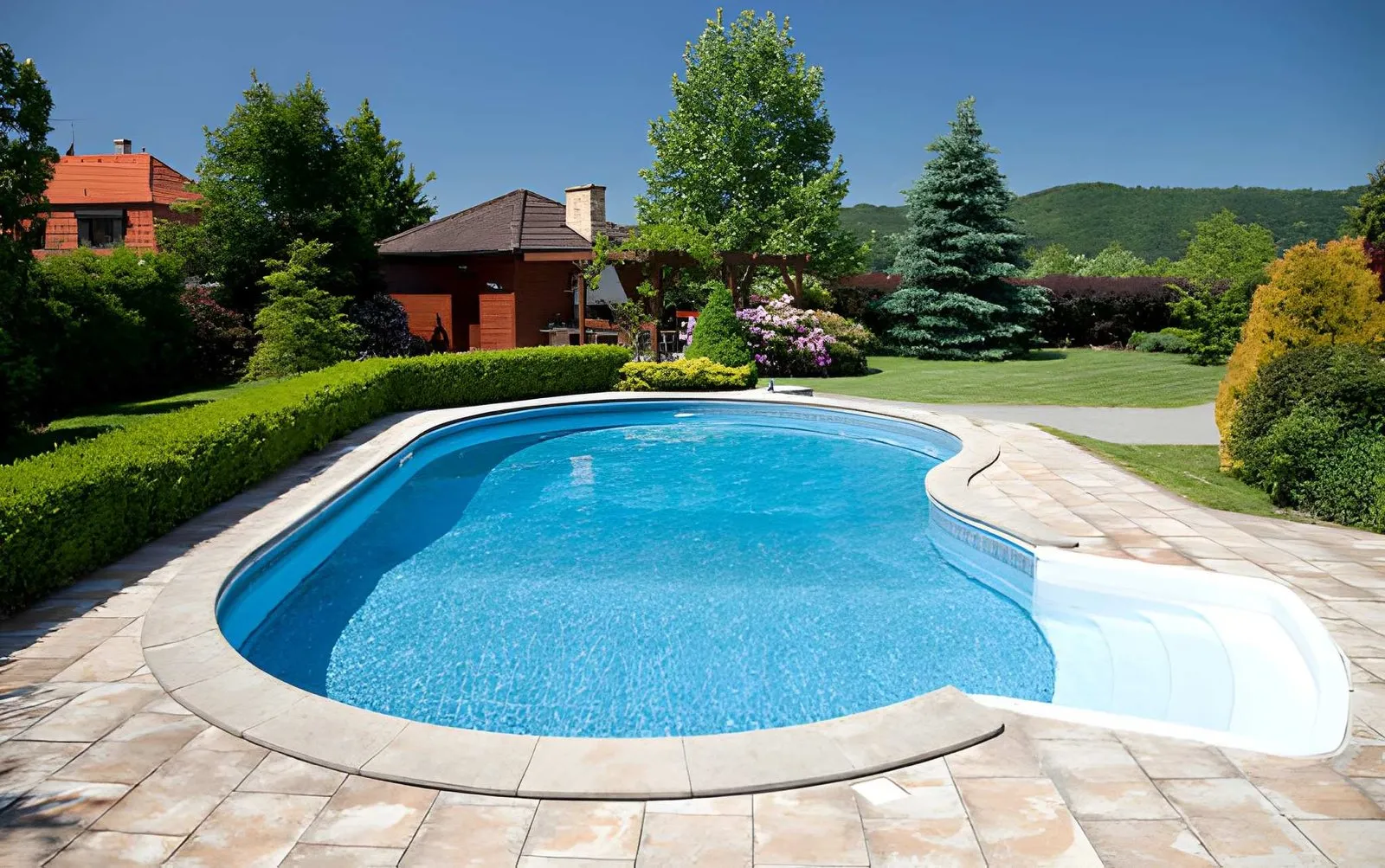
How to Select an In-Ground Pool Based on Your Yard, Budget, and Maintenance Needs
Choosing an in-ground pool is less about picking a picture and more about matching structure, shape, and equipment to how you plan to swim and entertain. The shell material influences design freedom and build time. Surface finish and water chemistry drive weekly care. Shape and depth change how the pool heats, circulates, and fits games or laps. Site realities such as access, utilities, and groundwater can steer what is practical. This article breaks down those relationships so you can make decisions that hold up through excavation day, the first cannonball, and routine maintenance season after season.
- Shell type sets design freedom and timeline
Concrete pools (shotcrete or gunite over a rebar cage) are the most flexible: you can specify a freeform outline, a custom tanning ledge, a deep well for a diving envelope, a raised beam, and tile details at the waterline and steps. They take longer because of excavation, steel, plumbing rough-in, shell application, curing, and finishing with plaster or pebble. For a visual sense of shapes and finishes, you might discuss it with a builder. Review the inground pool options from Nassau Pools and Spas as a starting point for what’s possible.
Fiberglass pools arrive as a one-piece shell with integrated steps and benches, craned into an excavated hole and backfilled. Installation can be faster, but sizes and shapes follow the mold catalog, and access must accommodate the shell and crane. Vinyl-liner pools use steel or polymer wall panels with a poured or troweled base (often vermiculite or concrete) and a custom liner. Assembly is efficient and geometry is flexible, but expect liner replacement down the road, and plan for a coping system that cleanly secures the liner bead.
- Surface finish and chemistry drive routine care
Plaster and exposed aggregate finishes on concrete are porous enough to benefit from brushing, especially during the first month while the surface cures and the calcium balance stabilizes. Pebble blends resist mottling and hold up to robotic cleaners, while glass tile at the waterline eases scale and sunscreen buildup. Gelcoat on fiberglass is smooth, which can reduce brushing and help with algae resistance, but it still depends on stable pH and sanitizer levels. Vinyl liners are gentle underfoot; use a soft-bristle brush and a vacuum head without exposed wheels or sharp edges to avoid snags at seams and corners.
Sanitization choices layer onto the surface decision. A salt chlorine generator simply produces chlorine from salt in the water; you still monitor free chlorine, pH, and stabilizer. Cartridge filters provide fine filtration without a backwash line but require periodic hose cleaning. Sand filters backwash easily and tolerate heavy debris, but polish water a bit less unless paired with additive media. If your yard sees a lot of leaves, skimmer basket capacity and suction-side cleaner ports matter as much as the filter you select.
- Shape, depth, and circulation affect use and comfort
How you swim should dictate the outline and floor. A sport-depth profile that peaks in the middle suits volleyball and family play, keeping both ends in the 3.5 to 4.5-foot range and a central zone of 5 to 6 feet. Dedicated lap swimmers might prefer a straight 35- to 40-foot lane with parallel walls and corner benches, so strokes don’t brush a radius. If small children are in the mix, a 6- to 12-inch tanning ledge with an umbrella sleeve creates a supervised splash area that also doubles as a spot to stage lounge chairs in shallow water.
Water movement and features are part of this equation. Return jets placed to sweep debris toward one or two skimmers reduce manual netting; add a main drain or floor returns for deeper profiles to avoid cold pockets. Larger freeform designs often increase perimeter length, which raises costs for coping, tile, and safety cover. Automatic covers work best with rectangular pools and straight coping lines, while freeforms typically use anchored safety covers patterned to the shape. If a diving board is non-negotiable, confirm the required length and depth envelope before settling on the plan’s footprint.
- Site realities can steer the right build
Every backyard imposes limits. Narrow side yards can restrict excavator access or prevent the delivery of a one-piece fiberglass shell. Overhead lines, mature root zones, and utility easements carve away usable space and dictate where the equipment pad and gas or electrical runs can go. In high water table areas, a dewatering well or sump pipe beside the deep end and a hydrostatic relief valve in the main drain can keep hydrostatic pressure from lifting the shell. On sloped lots, a raised beam with a retaining wall or stepped decking may be more practical than cutting too deep near a property line.
One common mistake is treating the pool as an island and forgetting the support zone. Plan a level equipment pad large enough for a variable-speed pump, heater or heat pump, filter, and a salt cell, with 3 feet of service clearance and straight plumbing runs to minimize head loss. Confirm there is a path for a crane if you choose fiberglass and space to stage soil during excavation. Think through deck drainage early: a 1- to 2-percent slope to strip drains keeps water away from coping joints and reduces slippery algae at the waterline.
- Equipment choices influence comfort and lifetime costs
A variable-speed pump can run longer at low RPM to improve filtration and skimming while using less energy than a single-speed unit at full tilt. Cartridge and sand filters each have their upsides: cartridges polish water and prevent sewer backwash, while sand filters handle vacuum-to-waste cleanups after storms. Heaters and heat pumps differ in behavior: gas heaters raise temperatures quickly for a weekend but cost more per degree, while heat pumps are efficient at maintaining temperatures in moderate air temperatures. Match BTU or tonnage to pool volume and desired season length so the system is not undersized.
Cleaning and convenience upgrades pay back in time. Robotic cleaners scrub tile lines and the floor independently of the pool pump and can reach tight corners around benches and swim-outs. LED niche lights or low-profile wall lights provide uniform coverage without casting shadows behind steps. Basic automation lets you schedule pump speeds, lighting scenes, and sanitizer output from a phone or wall panel. Size a salt cell for at least 1.5 times the pool’s gallonage to avoid running it at 100 percent in summer, and place it after the heater in the plumbing sequence to protect heater internals.
Bringing structure, surface, shape, site, and equipment together is what makes an in-ground pool feel effortless to own. Start with how you intend to use the water: laps, family games, lounging, or all of the above. Confirm access for excavation and staging; sketch where furniture and a grill will be on the decking; and note sun and wind patterns that affect evaporation and leaf fall. Arrive to design conversations with photos of yards you like and a few must-have features ranked in order. Resources that show real shells, finishes, and layouts can spark clear decisions before the first stake hits the ground.