How to Sell a House in Southaven, Mississippi
Selling a home in Southaven, Mississippi can involve more decisions than choosing a listing price. Whether the property is near busy retail corridors, in an established neighborhood, or part of a newer subdivision, sellers need a plan that fits their condition, timeline, and financial goals. Local buyer interest can vary from one area to the next, so a careful review of the property and nearby sales is a smart starting point.
Some homeowners prefer the traditional route of preparing the house and listing it for the open market. Others may need a simpler path because of repairs, an inherited property, a relocation, or a tight move-out date. Comparing traditional sales with real estate investors in Southaven, MS can help sellers understand the tradeoff between potential price, convenience, speed, and certainty.
Understanding the Southaven Market
Southaven is part of DeSoto County and closely connected to the broader Memphis-area economy. That setting can shape buyer priorities, including commute routes, access to shopping and services, lot size, school preferences, and proximity to family. A well-priced home that matches buyer expectations may draw attention quickly, while a property with deferred maintenance or an unrealistic price may take longer to sell.
It is important not to treat a single online estimate or a nearby asking price as the final value. A list price is what a seller hopes to receive. A sale price is what a buyer agrees to pay. An automated estimate is a computer-generated starting point. Net proceeds are what remain after the mortgage payoff and transaction expenses are handled.
Homeowners exploring a direct sale can review general options at https://yourtownbuyers.com/, then compare any written offer with the expected proceeds from a traditional listing. The strongest option is not always the highest number on paper. Closing risk, repair requests, carrying costs, and the desired closing date also matter.
Estimating Your Southaven Home’s Value
A useful valuation begins with recent sales of comparable homes, often called “comps.” Look for properties that are similar in location, size, age, layout, condition, and features. A renovated home with a newer roof, updated kitchen, and additional garage space may not be a fair comparison for a property that needs substantial work.
- Neighborhood, street location, and ZIP code
- Square footage, bedroom and bathroom count, and lot size
- Age, maintenance history, and visible condition
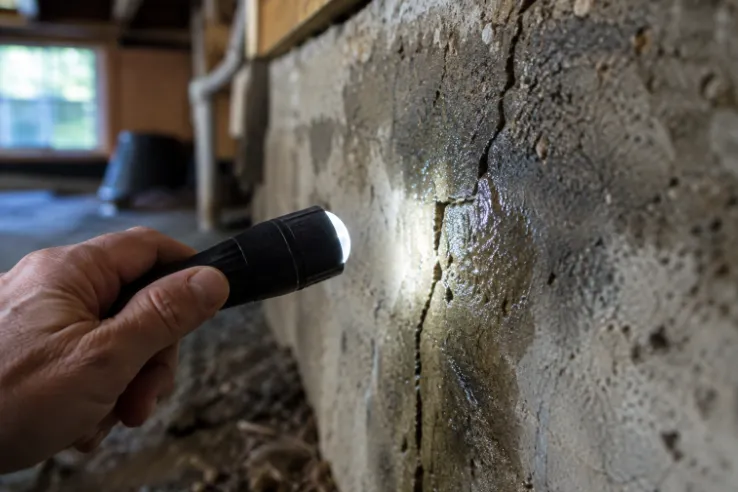
- Roof, HVAC, plumbing, electrical, and foundation concerns
- Kitchen and bathroom updates
- Garage capacity, storage, outdoor space, and floor plan
- Competing homes currently available to buyers
Three Common Ways to Sell
List With a Real Estate Agent
A traditional listing typically includes pricing guidance, marketing, photography, showings, offer negotiation, inspections, appraisal, and financing contingencies. It can provide broad market exposure, but it may require preparation, flexibility for showings, and patience through the buyer’s lending process.
Sell Without an Agent
For-sale-by-owner sellers take responsibility for marketing, buyer communication, scheduling, negotiations, disclosures, and contract coordination. This approach may work for owners who are comfortable managing the process, but legal and financial paperwork still deserves close attention.
Consider a Direct Cash Sale
A direct sale may appeal to owners who want to avoid extensive repairs, repeated showings, or financing-related uncertainty. Sellers should still request a written offer, understand all contingencies, and compare the final expected amount with other available paths.
Timelines and Possible Delays
Traditional sales typically involve preparation, listing, showings, an accepted offer, inspection, appraisal, lender approval, title work, and closing. Delays can arise from repair negotiations, appraisal concerns, buyer financing, title issues, or a buyer changing plans.
A direct cash transaction can remove the lender and appraisal stages, but it still requires a clear contract and title review. Liens, unpaid taxes, probate questions, divorce-related ownership issues, or missing signatures can delay any type of sale. The fastest option is not automatically the best choice if the terms create unnecessary risk.
Costs That Affect Net Proceeds
Before accepting an offer, estimate what will actually remain after closing. Potential costs can include agent compensation, seller concessions, repair work, cleaning, landscaping, moving expenses, taxes, utility bills, title charges, and the mortgage payoff. A higher offer may yield less money if it requires major repairs or entails months of ongoing ownership costs.
When Repairs Make Sense
Start with problems that affect safety or basic function, such as active leaks, electrical hazards, plumbing failures, water damage, or an inoperable heating and cooling system. Smaller improvements can also help a home show better: fresh paint, better lighting, trimmed landscaping, minor hardware fixes, and removal of clutter.
Large renovations should be considered carefully. Before spending heavily, compare recently sold homes nearby and ask whether buyers in that price range are likely to pay enough to recoup the investment.
What to Check Before Accepting a Cash Offer
- Get the offer and purchase agreement in writing.
- Verify the buyer’s legal name and business information.
- Request proof of funds when appropriate.
- Review inspection, assignment, cancellation, and closing clauses.
- Confirm who pays title, recording, and other closing charges.
- Use a reputable title company or qualified real estate attorney.
- Do not pay unexplained upfront fees or sign under pressure.
Local Factors That May Affect a Sale
Southaven offers a mix of established homes, newer developments, townhomes, rental properties, and larger suburban lots. Buyer preferences may differ widely across those property types. Features such as access to major roads, outdoor space, maintenance needs, and neighborhood character can affect how a property should be marketed and priced.
Local development can also influence long-term interest, but current pricing should rest on verified sales data rather than headlines. The city’s planning and development office oversees construction and development activity, while the Census Bureau’s Southaven profile provides useful community context for homeowners researching the area.
Simple Southaven Seller Checklist
- Set a target closing date.
- Request a current mortgage payoff amount.
- Gather ownership, tax, insurance, and repair records.
- Review comparable Southaven sales.
- Decide which repairs are worthwhile.
- Compare traditional and direct-sale options.
- Evaluate offers by net proceeds and certainty.
- Complete closing through a qualified professional.
Common Questions From Southaven Homeowners
Can I sell a house with a mortgage?
Yes. In many sales, the mortgage balance is paid from the seller’s proceeds at closing. Requesting a payoff statement early helps prevent surprises.
Should I repair my house before selling?
Address major safety and functional problems first. Cosmetic work should be weighed against its cost and its likely appeal to buyers.
Can I sell an inherited property?
Possibly, but the estate authority, title status, probate process, and required signatures should be confirmed before a contract is finalized.
Final Thoughts
Southaven sellers have more than one way to move forward. A sound decision comes from understanding the home’s condition, studying comparable sales, estimating true selling costs, and reviewing every contract carefully. Whether the priority is maximum market exposure, a flexible timeline, or a more direct transaction, a clear plan can make the selling process more manageable.