How Fault Is Examined After a Motorcycle Accident in San Antonio, TX
San Antonio has many different road users sharing the same streets, and a motorcycle crash can develop from several actions happening within seconds. A driver may turn across a rider’s path, a motorcyclist may have limited time to react, or a road condition may add another factor. That makes fault more complicated than simply looking at which vehicle was damaged.
For people dealing with a collision, San Antonio motorcycle accident lawyers may review how the crash developed from start to finish. The goal is to identify the actions, conditions, and circumstances that contributed to the collision. Looking at each part of the event can help create a clearer picture of responsibility.
Start With the Sequence of the Collision
Fault often begins with a careful look at how the crash unfolded. Rather than focusing only on the final impact, investigators may examine what each person was doing before the vehicles came together.
Several driving actions may become important, including:
- Failing to yield the right of way
- Changing lanes without checking properly
- Following another vehicle too closely
- Driving above the posted speed limit
- Turning without giving adequate notice
- Failing to respond to traffic signals
The position and movement of the motorcycle may also be considered. A complete review can show whether one action caused the collision or whether several actions contributed to it.
What Happened on San Antonio Roads?
Road conditions can sometimes add another layer to a fault investigation. Construction areas, damaged pavement, unclear signs, or limited visibility may affect how a driver or rider responds to the road.
Weather can also matter. Rain, standing water, or reduced visibility may change stopping distances and make certain maneuvers more difficult. These conditions do not automatically place responsibility on a particular person, but they may help explain how the collision developed.
Other questions may include whether traffic signs were visible, whether road markings were clear, and whether construction equipment or other objects affected a driver’s view.
Review the Information That Explains the Crash
A motorcycle accident can leave behind different sources of information that help establish what happened. No single item necessarily tells the entire story. Instead, several details may be considered together.
Useful information may include:
- The police crash report
- Statements from people who saw the collision
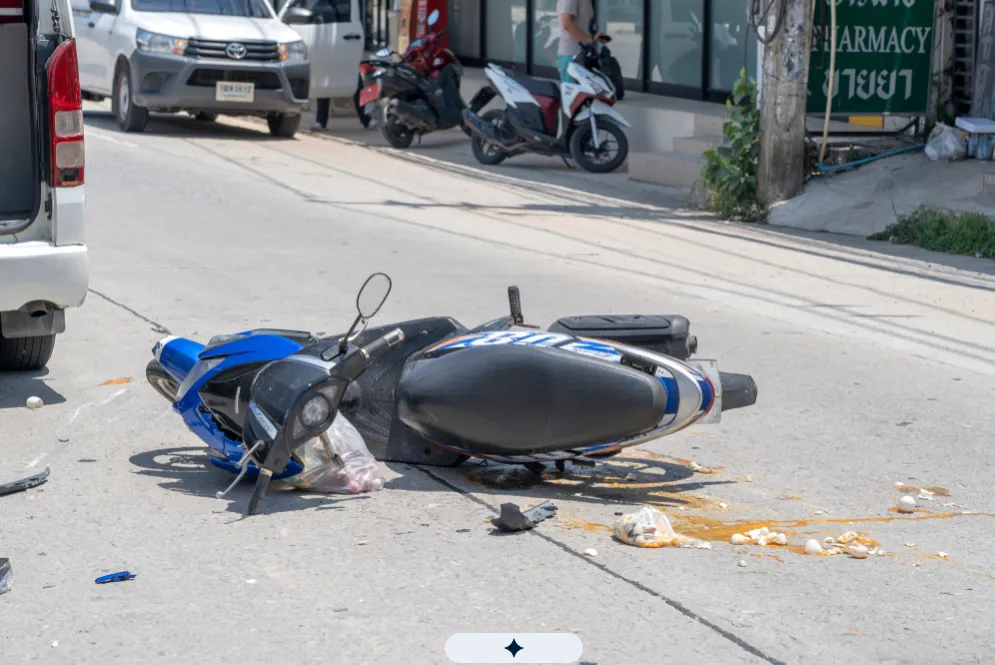
- Photos or videos from the scene
- Traffic or security camera footage
- Vehicle and motorcycle damage
- Tire or skid marks
- Nearby roadway conditions
For example, camera footage might show the direction of travel before the impact, while physical marks on the road may provide additional information about braking or movement. Witness statements can also help clarify details that are not visible in photographs.
Traffic Violations Can Be Part of the Analysis
A traffic violation may provide an important clue about how a collision occurred. Running a red light, making an unsafe turn, speeding, or failing to yield can all become relevant to a fault investigation.
However, a citation does not necessarily answer every question about civil responsibility. The circumstances surrounding the violation still matter. Investigators may need to determine whether the conduct actually contributed to the crash and whether other factors played a role.
This is one reason motorcycle accident law firms may examine the entire sequence rather than relying on one report or one person’s account.
More Than One Person May Share Responsibility
Not every motorcycle accident can be traced to one person’s conduct. Two or more parties may have actions that contributed to the final result.
For instance, another driver may make an unsafe lane change while a motorcyclist is traveling too quickly to stop safely. The facts would need to be examined carefully to determine how each action affected the collision.
Texas uses comparative responsibility rules in certain personal injury cases. This means the conduct of different parties may be considered rather than automatically placing all responsibility on one person. The specific facts of the accident remain important in determining how those rules apply.
Look Beyond Driver Behavior
A complete fault review may also consider circumstances that do not involve a driver’s decision. Poorly maintained pavement, obstructed signs, construction conditions, or other roadway issues may become relevant depending on the facts.
That does not mean a road condition automatically creates liability. It simply means the circumstances surrounding the collision deserve attention if they may have affected what happened.
Considering these details can prevent the investigation from becoming too narrow. A motorcycle crash may have several contributing factors, and each one can change how the sequence is understood.
A Clearer Picture Comes From the Full Story
Determining fault after a motorcycle accident requires more than identifying where the vehicles ended up. The actions of each road user, traffic rules, roadway conditions, witness accounts, and available crash information can all help explain the collision. San Antonio motorcycle accident lawyers may review these details together to determine how different factors contributed to the crash.
A careful review can also reveal whether responsibility may be shared. For someone dealing with a serious crash in San Antonio, focusing on the complete chain of events can provide a more useful basis for addressing the resulting claim.
Review the Circumstances Before Moving Ahead
A motorcycle crash may involve several details that are easy to overlook, especially if different accounts of the collision exist. Reviewing how the roadway, traffic conditions, driver conduct, and motorcycle movement fit together can help clarify the circumstances.
If you are dealing with a motorcycle accident, then consulting a lawyer may be helpful. They can review the facts surrounding the collision and explain how potential responsibility may be evaluated. Seeking legal guidance early can help you understand what issues may need attention as you decide how to proceed with your claim.