What Small Businesses Should Budget For Before a Parking Lot Repaving Project
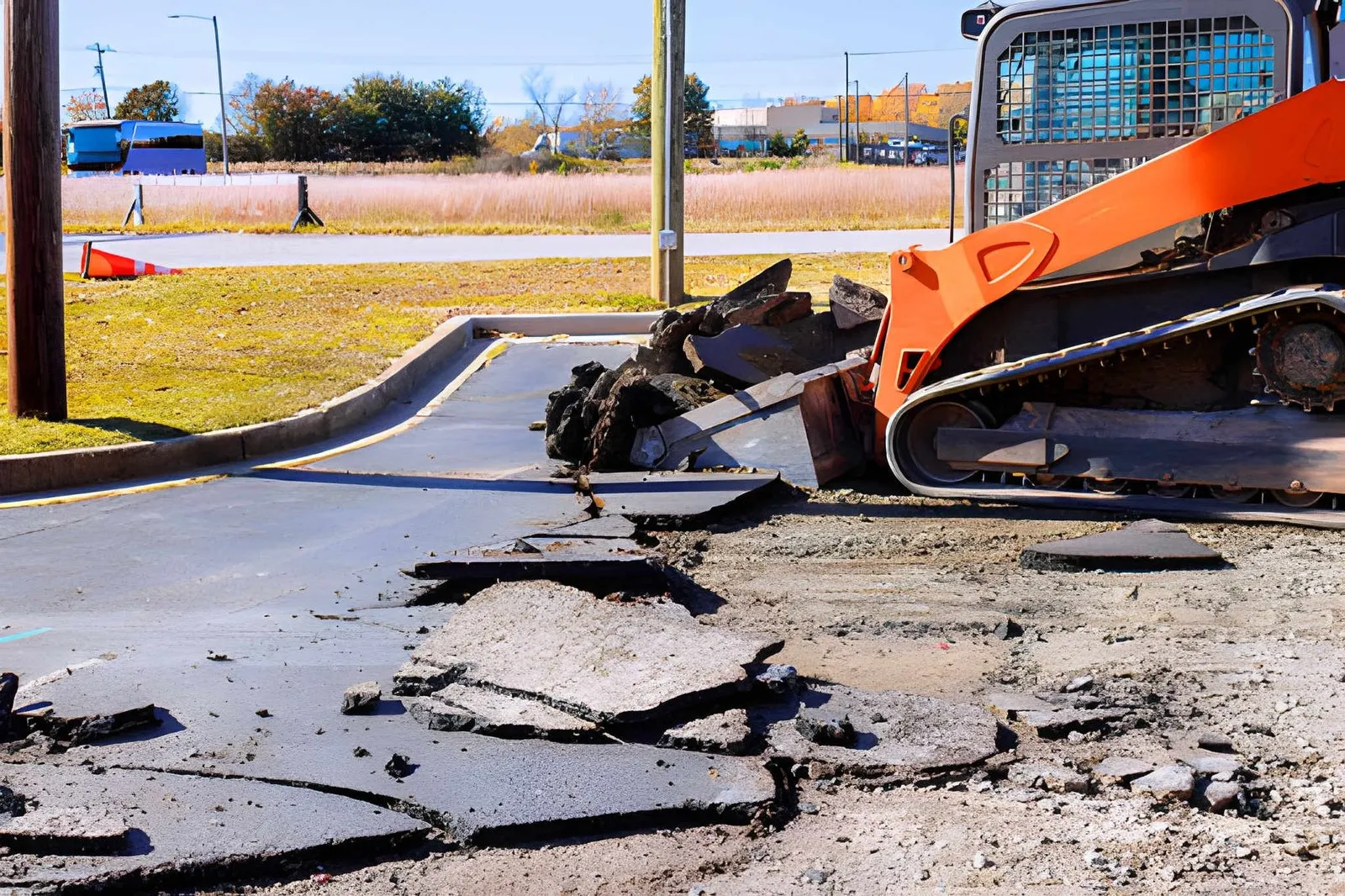
A cracked, potholed parking lot does more than look unkempt. It slows customers down, raises liability risk, and eventually costs more to fix than it would have if repaving had started sooner. Once a business owner decides to move forward, the paving quote is only the first number on the list. Scheduling, signage, and how the closure gets communicated to customers all carry their own costs, and overlooking them is what turns a routine repaving job into an expensive disruption.
The Paving Quote Is Not the Full Number
A paving contractor’s estimate typically covers materials and labor for the asphalt itself, but the lot underneath often needs attention first. Drainage corrections, curb repair, and patching soft or sunken sections of the base layer are common add-ons that show up once demolition begins, not before. Sealcoating and new striping are usually billed separately as well. Business owners should ask each contractor for an itemized quote rather than a single lump sum, and compare scope of work across bids instead of comparing bottom-line price alone. A lower number that skips base repair or striping is not actually the cheaper option once those costs get added back in later.
Scheduling Around Business Hours
Asphalt needs time to cure before it can handle foot or vehicle traffic, usually 24 to 48 hours depending on the mix and weather. For a business that depends on walk-in customers, that window has a real cost attached to it. Some contractors offer night or weekend crews to limit the disruption during business hours, though that convenience typically comes at a premium. Splitting the lot into sections and repaving in phases is another option, since it keeps part of the parking area open while work continues on the rest. The right approach depends on how much revenue is tied to daily foot traffic versus how much the business can absorb from a short full closure.
Barricades, Signage, and Directing Traffic
Once the schedule is set, the next line item is keeping people and vehicles away from wet asphalt and equipment without confusing them about where to go instead. Depending on the size of the lot and how close it sits to a public road, this can mean anything from a handful of cones to a full traffic control plan:
- Barricades and cones to mark off active work areas
- Directional arrow signs pointing to open entrances or temporary parking
- Illuminated or electronic message boards for high-traffic locations
Beyond the paving quote itself, businesses should price out barricades and directional signage, since VMS boards for sale run a wide range depending on solar capability and screen size. For a location on a busy street or shopping center, a message board that can display a custom text alert about the closure is often worth the added cost, since it reaches drivers before they turn into the lot rather than after they are already circling it.
Communicating the Closure to Customers
Signage on-site handles people who are already in the parking lot, but customers need to know about the closure before they leave home. A short email or social post a few days in advance, paired with a note on the website and any online listings, prevents the wasted trip that tends to generate the most complaints. Retail stores and restaurants near other businesses can often arrange short-term shared parking with a neighbor, which is worth negotiating and putting in writing before the closure starts rather than scrambling for it on day one.
Line Striping and Accessibility Requirements
New striping is the point where a repaving project can bring an older lot up to current code, and it is worth budgeting time for a walkthrough with the contractor before paint goes down. A few items are easy to miss until an inspection flags them:
- Correct number and dimensions of accessible spaces based on total lot size
- Van-accessible spaces with the required access aisle width
- Fire lane markings where local code requires them
Fixing these during the repaving itself costs far less than addressing them separately after a complaint or inspection.
Building In a Contingency for Weather and Delays
Asphalt work depends on temperature and moisture, and a rained-out week or an unexpected cold snap can push a two-day job into a two-week one. Every added day of delay carries the same signage and lost-access costs discussed above, just stretched further than planned. Building a contingency of 10 to 15 percent into the overall budget covers weather delays, unexpected base repairs, and the occasional change order without forcing a mid-project scramble for funds.
Conclusion
Repaving a parking lot is one of those projects where the sticker price on the contractor’s quote is only part of the real cost. Scheduling, signage, customer communication, striping compliance, and a reasonable weather buffer all belong in the budget from the start. Businesses that plan for these pieces upfront get through the closure with fewer surprises and a lot that meets code the moment the barricades come down.