The Influence of Social Media on Fashion Trends
Introduction
Social media has completely transformed the fashion industry over the past decade. Platforms such as Instagram, TikTok, Pinterest, YouTube, and Facebook have become powerful tools that shape what people wear, how they shop, and which brands gain popularity. Unlike traditional fashion magazines and runway shows that once controlled trends, today’s fashion inspiration comes from influencers, content creators, celebrities, and everyday users sharing their personal styles online.
The rapid spread of digital content has made fashion more accessible than ever before. Consumers no longer have to wait for seasonal collections to discover new styles. Instead, they can instantly see the latest outfits, styling tips, and fashion launches from anywhere in the world. Viral videos, influencer recommendations, and hashtag challenges often determine the next big trend within days.
For fashion brands, social media has become an essential marketing channel. Companies use these platforms to showcase products, collaborate with influencers, engage directly with customers, and gather valuable insights into consumer preferences. Small fashion businesses can now compete with global brands by creating engaging content and building loyal online communities.
This article explores the influence of social media on fashion trends, highlighting its benefits, challenges, and the evolving relationship between technology and style.
How Social Media Changed the Fashion Industry
Before social media, fashion trends were largely dictated by designers, fashion editors, and luxury brands. Consumers relied on magazines, television, and fashion shows to discover new collections.
Today, social media has democratized fashion. Anyone with a smartphone can become a fashion influencer, share styling ideas, and inspire thousands—or even millions—of followers. This shift has made fashion more diverse, inclusive, and interactive.
Major platforms contribute in different ways:
- Instagram focuses on high-quality fashion photography and influencer collaborations.
- TikTok drives viral fashion trends through short-form videos.
- Pinterest helps users discover outfit inspiration and seasonal styles.
- YouTube provides detailed fashion hauls, styling guides, and product reviews.
- Facebook supports fashion communities and online shopping experiences.
The speed at which trends spread has increased dramatically, allowing brands to respond quickly to changing consumer preferences.
The Rise of Fashion Influencers
Fashion influencers have become some of the most influential figures in the industry. They bridge the gap between brands and consumers by showcasing clothing in authentic, relatable ways.
Influencers influence purchasing decisions through:
- Outfit inspiration
- Product reviews
- Styling tutorials
- Fashion challenges
- Live shopping sessions
Unlike traditional celebrities, influencers often build stronger relationships with their audiences through regular interaction and personal storytelling. Followers tend to trust their recommendations because they appear genuine and accessible.
Micro-influencers with smaller but highly engaged audiences are also becoming valuable marketing partners for fashion brands due to their authenticity and niche expertise.
Viral Trends and Fast Fashion
One of social media’s biggest impacts is the speed at which trends emerge and disappear.
A single TikTok video or Instagram Reel can make a clothing item sell out within hours. Popular examples include:
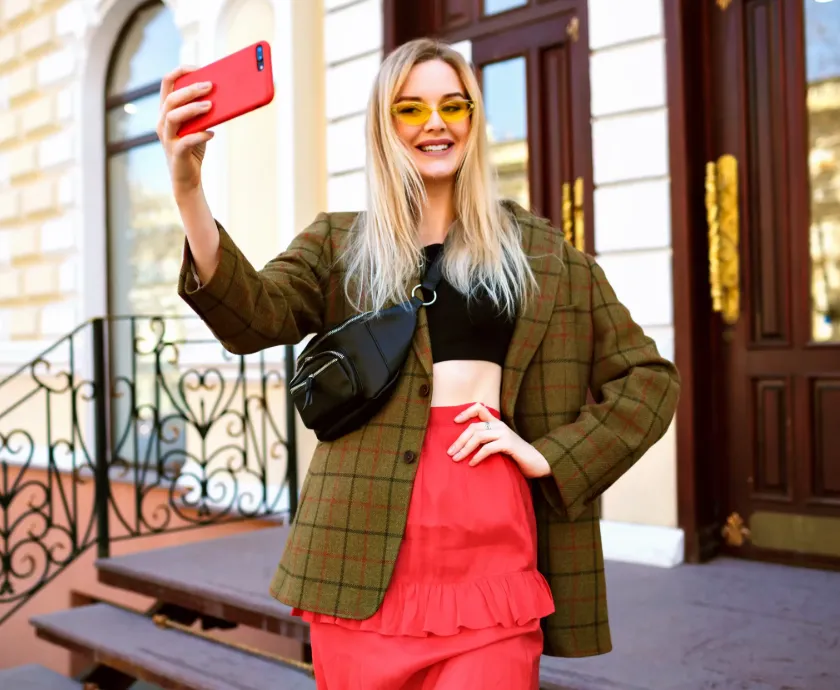
- Oversized blazers
- Cargo pants
- Chunky sneakers
- Quiet luxury fashion
- Barbie-inspired pink outfits
- Cottagecore dresses
- Y2K fashion revival
Fast fashion retailers closely monitor viral content and quickly produce affordable versions of trending designs. This rapid production allows consumers to purchase fashionable items almost immediately after they become popular online.
While this benefits shoppers looking for affordable options, it also raises concerns about sustainability and overconsumption.
User-Generated Content Shapes Fashion
Consumers are no longer passive buyers—they actively influence fashion trends.
User-generated content includes:
- Outfit of the Day (OOTD) posts
- Fashion reviews
- Styling videos
- Unboxing experiences
- Wardrobe transformations
- Clothing hauls
When thousands of users share similar looks, those styles gain visibility and often become mainstream trends.
Brands encourage user-generated content by creating branded hashtags, running contests, and reposting customer photos. This strategy builds trust while reducing advertising costs.
Social Commerce and Online Shopping
Social media has revolutionized online shopping through social commerce.
Many platforms now allow users to:
- Shop directly from posts
- Purchase through live streams
- Save favorite products
- View customer reviews
- Discover personalized recommendations
Instagram Shops, TikTok Shop, Pinterest Product Pins, and Facebook Marketplace have shortened the buying journey from discovery to purchase.
Consumers can now see a product in a styling video and buy it within minutes without leaving the app.
This seamless shopping experience has significantly increased impulse purchases and online fashion sales.
Fashion Brands Build Stronger Communities
Modern fashion brands focus on building relationships rather than simply selling products.
Social media enables brands to:
- Respond to customer comments
- Share behind-the-scenes content
- Launch exclusive collections
- Conduct live Q&A sessions
- Gather customer feedback
- Announce limited-time promotions
These interactions create loyal communities where customers feel connected to the brand.
Brands that actively engage with followers often enjoy higher customer retention and stronger brand advocacy.
Diversity and Body Positivity
One of the most positive impacts of social media is increased representation.
Fashion platforms now celebrate people of different:
- Body types
- Skin tones
- Ages
- Cultures
- Gender identities
- Personal styles
The body positivity movement has encouraged brands to feature diverse models and create inclusive clothing lines.
Consumers increasingly support companies that embrace authenticity and representation instead of unrealistic beauty standards.
This shift has made fashion more welcoming and reflective of real-world diversity.
The Role of Artificial Intelligence in Fashion
Artificial intelligence is becoming increasingly integrated with social media fashion experiences.
AI helps brands by:
- Recommending personalized outfits
- Predicting fashion trends
- Creating virtual fitting rooms
- Improving product recommendations
- Automating customer service
- Analyzing consumer behavior
Fashion companies use AI-powered analytics to identify which styles are gaining popularity before they become mainstream.
Virtual influencers created using AI are also attracting millions of followers and partnering with global fashion brands.
Challenges of Social Media Fashion
Despite its many advantages, social media also presents several challenges.
Unrealistic Beauty Standards
Heavy photo editing and filters may create unrealistic expectations regarding appearance, leading to lower self-confidence among some users.
Overconsumption
Constant exposure to new fashion trends encourages frequent shopping, contributing to excessive consumerism.
Fast Fashion Waste
The demand for inexpensive, trendy clothing often increases textile waste and environmental pollution.
Trend Fatigue
Fashion trends change so quickly online that consumers may feel pressured to constantly update their wardrobes.
Counterfeit Products
Popular fashion items frequently inspire fake products that deceive customers and damage brand reputations.
Addressing these issues requires greater awareness, responsible shopping habits, and more sustainable production practices.
The Future of Social Media and Fashion
The relationship between social media and fashion will continue to evolve as technology advances.
Future developments may include:
- AI-powered virtual stylists
- Augmented reality fitting rooms
- Virtual fashion shows
- Digital clothing for avatars
- Blockchain authentication for luxury products
- Personalized shopping experiences using machine learning
Consumers will increasingly seek authenticity, sustainability, and transparency from fashion brands.
Companies that embrace innovation while maintaining ethical practices will be better positioned for long-term success.
Conclusion
Social media has fundamentally changed how fashion trends are created, shared, and consumed. Platforms like Instagram, TikTok, Pinterest, and YouTube have given individuals unprecedented influence over global style while enabling brands to connect directly with their audiences. Influencers, user-generated content, social commerce, and AI-powered personalization continue to redefine the modern fashion landscape.
Although challenges such as fast fashion, unrealistic beauty standards, and overconsumption remain significant concerns, social media has also promoted diversity, creativity, and accessibility within the fashion industry. As technology continues to evolve, the connection between digital platforms and fashion will only grow stronger, shaping future trends in innovative and exciting ways. Brands and consumers alike can benefit from this evolution by embracing responsible, authentic, and sustainable fashion choices.
Also Read About : The Return of Vintage Fashion in Modern Style