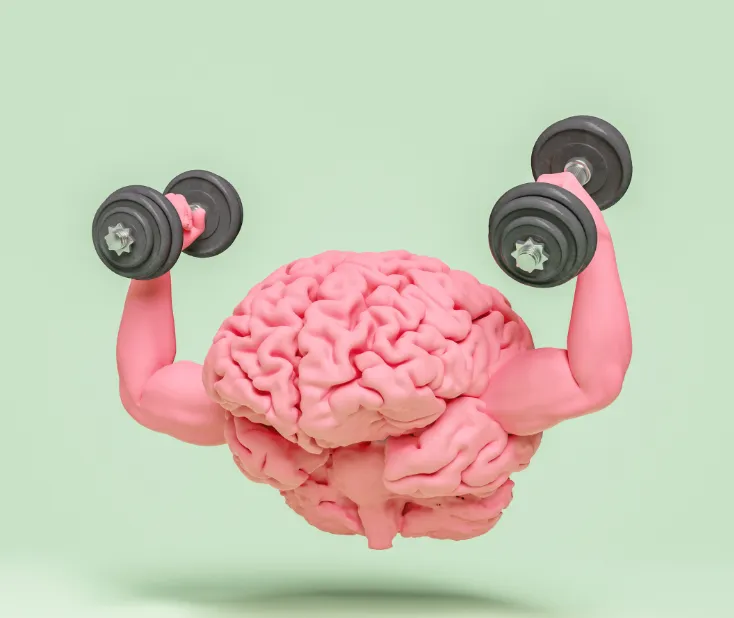
The Connection Between Exercise and Mental Health
Introduction
The connection between exercise and mental health has become one of the most widely researched topics in modern health science. While physical activity has long been associated with stronger muscles, better heart health, and weight management, its impact on emotional and psychological well-being is equally significant. Regular exercise can improve mood, reduce stress, boost self-confidence, and even help manage symptoms of anxiety and depression.
Mental health challenges affect millions of people worldwide. Factors such as work pressure, financial concerns, social isolation, and unhealthy lifestyles can contribute to emotional distress. Fortunately, exercise offers a natural and accessible way to support mental wellness. Whether it’s walking in the park, practicing yoga, lifting weights, cycling, or participating in team sports, nearly every form of physical activity can provide mental health benefits.
Exercise stimulates the release of chemicals in the brain that promote happiness and relaxation while reducing stress hormones. It also encourages better sleep, improves concentration, and creates a sense of accomplishment. Combined with a healthy lifestyle and professional treatment when necessary, regular physical activity can play a vital role in maintaining emotional balance.
In this article, we’ll explore the powerful relationship between exercise and mental health, examine the science behind its benefits, and share practical tips for incorporating more movement into your daily routine.
How Exercise Affects the Brain
Physical activity directly influences brain function through several biological processes. During exercise, the body releases chemicals that positively affect mood and cognitive performance.
Some of the most important brain changes include:
- Increased production of endorphins, often called the body’s natural “feel-good” hormones.
- Higher levels of serotonin and dopamine, which help regulate mood.
- Improved blood flow to the brain, delivering more oxygen and nutrients.
- Enhanced growth of new brain cells and stronger neural connections.
- Reduced inflammation that may contribute to depression and cognitive decline.
These changes help people feel happier, calmer, and more mentally alert after regular physical activity.
Exercise Helps Reduce Stress
Stress is a normal part of life, but chronic stress can negatively affect both physical and mental health. Exercise serves as one of the most effective natural stress relievers.
Regular physical activity helps by:
- Lowering cortisol, the body’s primary stress hormone.
- Relaxing tense muscles.
- Improving breathing patterns.
- Providing a healthy distraction from daily worries.
- Promoting relaxation after physical exertion.
Even a simple 30-minute walk can significantly reduce stress levels and improve emotional resilience.
Physical Activity and Depression
Numerous studies have shown that exercise can reduce symptoms of mild to moderate depression. While it should not replace professional medical treatment for severe depression, it can be an important part of a comprehensive treatment plan.
Exercise helps fight depression by:
- Increasing positive brain chemicals.
- Improving sleep quality.
- Creating a sense of achievement.
- Encouraging social interaction during group activities.
- Building confidence through measurable progress.
Activities such as walking, swimming, cycling, dancing, and strength training have all demonstrated positive effects on mood.
Exercise Reduces Anxiety
People experiencing anxiety often struggle with racing thoughts, muscle tension, and constant worry. Exercise provides both immediate and long-term relief.
Benefits include:
- Lower heart rate after workouts.
- Improved breathing control.
- Reduced nervous energy.
- Better emotional regulation.
- Increased confidence in handling stressful situations.
Mind-body exercises such as yoga, Pilates, and tai chi are especially beneficial because they combine movement with breathing and mindfulness.
Better Sleep Supports Better Mental Health
Sleep and mental health are closely connected. Poor sleep can increase the risk of depression, anxiety, and emotional instability.
Regular exercise promotes better sleep by:
- Helping you fall asleep faster.
- Increasing deep sleep stages.
- Reducing nighttime stress.
- Regulating your internal body clock.
- Improving overall sleep quality.
People who exercise consistently often wake up feeling more refreshed and mentally prepared for the day.
Exercise Improves Self-Esteem and Confidence
Physical activity can positively influence how people view themselves. As fitness improves, many individuals experience greater self-confidence and emotional well-being.
Exercise contributes to higher self-esteem by:
- Improving physical strength.
- Supporting healthy body composition.
- Increasing energy levels.
- Encouraging goal achievement.
- Creating a sense of personal accomplishment.
Small milestones, such as completing a workout or running farther than before, help build confidence over time.
Social Benefits of Exercise
Mental health isn’t only influenced by biology—it also depends on social connections. Many forms of exercise create opportunities to meet people and strengthen relationships.
Examples include:
- Joining a local fitness class.
- Participating in recreational sports.
- Walking with friends.
- Hiking in community groups.
- Attending yoga sessions.
Social interaction reduces loneliness, strengthens emotional support networks, and contributes to overall happiness.
Best Types of Exercise for Mental Health
The good news is that almost any movement can improve mental health. The key is choosing activities you enjoy so you can stay consistent.
Aerobic Exercise
Examples include:
- Walking
- Running
- Cycling
- Swimming
- Dancing
These activities improve cardiovascular health while boosting mood through increased endorphin production.
Strength Training
Weightlifting and resistance exercises improve confidence, reduce anxiety, and support long-term mental resilience.
Yoga
Yoga combines stretching, breathing exercises, and mindfulness, making it highly effective for reducing stress and promoting emotional balance.
Outdoor Activities
Nature enhances the mental health benefits of exercise. Activities such as hiking, jogging in parks, or cycling outdoors can reduce stress even further.
Tips for Staying Consistent
Creating an exercise routine doesn’t require spending hours at the gym. Consistency matters more than intensity.
Here are some practical tips:
- Start with just 20–30 minutes most days.
- Choose activities you genuinely enjoy.
- Set realistic fitness goals.
- Exercise with friends or family.
- Schedule workouts like appointments.
- Celebrate small achievements.
- Mix different activities to avoid boredom.
- Focus on long-term habits instead of quick results.
Remember that every bit of movement counts.
When Exercise Should Be Combined with Professional Help
Although exercise offers tremendous mental health benefits, it is not a complete replacement for professional care. Individuals experiencing severe depression, panic disorders, suicidal thoughts, or other serious mental health conditions should seek guidance from qualified healthcare professionals.
The most effective treatment plans often combine:
- Regular exercise
- Professional counseling
- Cognitive behavioral therapy (CBT)
- Medication when prescribed
- Healthy nutrition
- Adequate sleep
- Strong social support
Exercise works best as part of a holistic approach to mental wellness.
Conclusion
The relationship between exercise and mental health is supported by extensive scientific research. Physical activity not only strengthens the body but also improves emotional well-being, reduces stress, eases anxiety, combats depression, enhances sleep quality, and boosts self-confidence. Whether you prefer walking, running, yoga, swimming, strength training, or recreational sports, staying active can have a profound impact on your mental health.
The best exercise routine is one you can maintain consistently. Even modest amounts of physical activity performed regularly can produce meaningful improvements in mood and overall quality of life. By making exercise a regular part of your daily routine, you’re investing in both your physical fitness and your emotional well-being, creating a healthier, happier, and more balanced life.
Also Read About : How Artificial Intelligence Is Transforming Businesses